

Close Menu
    What's Hot

    Tanzania’s Gold Exports and Tourism Strengthen Economic Performance

    January 14, 2026

    Afreximbank Backs Levene Energy with $64M for Strategic Axxela Stake in Nigeria

    January 12, 2026

    Flutterwave Acquires Mono to Bolster Open Banking Infrastructure

    January 9, 2026
    Gulf Africa ReviewGulf Africa Review
    • Industry
    • Infrastructure
      1. Airport
      2. Hospitality
      3. Ports
      4. Power
      5. Rail
      6. Roads
      7. Transport
      Featured

      Osun seeks to capitalise on infrastructure momentum

      Infrastructure May 21, 2018
      Recent

      Afreximbank Backs Levene Energy with $64M for Strategic Axxela Stake in Nigeria

      January 12, 2026

      Africa’s Container Shipping: Opportunities and Obstacles

      December 26, 2025

      Sun King Secures $40 M to Scale Off-Grid Solar Across Africa & Asia

      December 19, 2025
    • Business & Trade
      1. Agri-Business
      2. Entrepreneurship
      3. FDI
      4. Legislative
      5. MEA
      6. Telecoms
      7. Properties
      Featured

      Analysts predict bullish future for Nigeria’s REITs market

      Business Business & Trade January 21, 2018
      Recent

      Tanzania’s Gold Exports and Tourism Strengthen Economic Performance

      January 14, 2026

      Kenya Drops 24-Year Sugar Protection

      January 5, 2026

      South Africa Faces New Export Restrictions from Botswana

      December 12, 2025
    • Finance
      1. Banking
      2. Islamic finance
      Featured

      India Exim $40mn Credit Line for West African Development

      Finance Infrastructure August 27, 2025
      Recent

      India Exim $40mn Credit Line for West African Development

      August 27, 2025

      AfDB Anchors $500M Financing for Ethiopia’s “Mega-Airport”

      August 13, 2025

      DP World and Nedbank Elevate Trade Finance in Africa

      September 18, 2024
    • Innovation
    Gulf Africa ReviewGulf Africa Review
    Trade

    Strengthening Intra-African Trade Through Public-Private Partnerships

    November 28, 20243 Mins Read
    Facebook Twitter Pinterest LinkedIn Tumblr Email
    intra-African trade
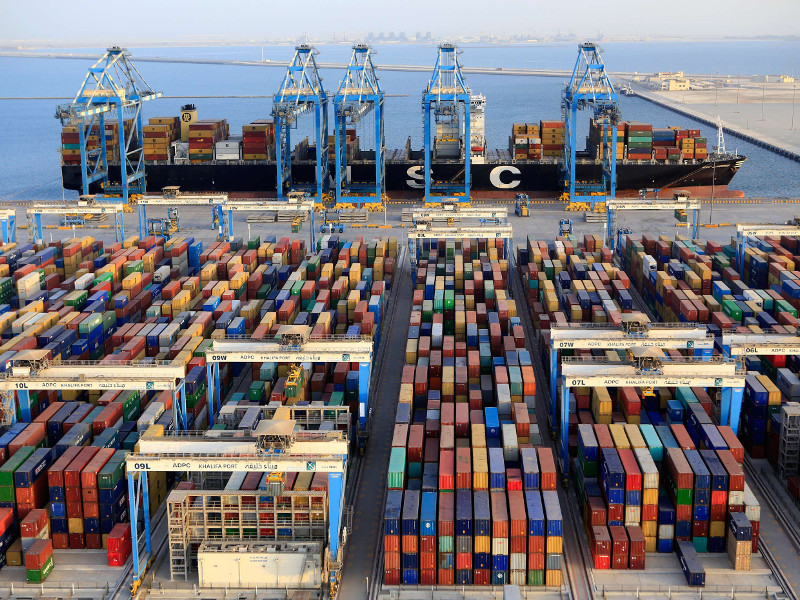
    Collaborative efforts are essential for enhancing trade across the continent.
    Share
    Facebook Twitter LinkedIn Pinterest Email

    Intra-African trade holds significant potential for economic growth and development across the continent. However, realizing this potential requires concerted efforts from both public and private sectors to address existing challenges and leverage opportunities.

    Aligning Policy Priorities

    Effective collaboration between governments and private enterprises is crucial to harmonize national, regional, and continental policies. Mr. Ziad Hamoui, a Fellow at the Chartered Institute of Logistics and Transport (CILT) and representative to the African Continental Free Trade Area (AfCFTA), emphasized the need for policymakers to be well-informed about cross-border activities to formulate better trade policies. This alignment ensures that trade regulations and initiatives are cohesive, facilitating smoother transactions across African nations.

    Enhancing Transport and Logistics Infrastructure

    Improving transport and logistics is vital for boosting intra-African trade. Mr. Hamoui advocated for enhancing connectivity across all modes of transport—land, air, and sea. This includes developing cross-border infrastructure, connecting road networks, and utilizing inland waterways more effectively, he said. Addressing these infrastructural challenges can significantly reduce delays and costs associated with trade, making African markets more accessible and competitive.

    Building Trust Through Public-Private Partnerships

    According to Hamoui, trust is a cornerstone of successful public-private partnerships. Establishing transparent and accountable frameworks encourages private sector participation in trade initiatives. Collaborative efforts can lead to the development of efficient systems that minimize bureaucratic hurdles and corruption, fostering a conducive environment for business operations.

    Addressing Trade Barriers and Operational Challenges

    African businesses often face obstacles such as long delays at ports and borders, inadequate infrastructure, and harassment along transit corridors. These issues contribute to increased operational costs and hinder trade efficiency. By addressing these barriers through joint public-private initiatives, such as streamlining customs procedures and investing in infrastructure development, the continent can enhance its trade performance and economic resilience.

    Baba Adongo, an International Development Consultant, highlighted that the African Continental Free Trade Area (AfCFTA) offers Ghanaian agribusinesses unparalleled opportunities for expansion and innovation. He noted that the realization of these benefits hinges on overcoming infrastructural, financial, and regulatory challenges, as well as fostering collaboration and enhancing capacity.

    Raising Awareness Around AfCTA

    Anna Lena Sabroso-Wasserfell, the Country Representative for Ghana at the Konrad-Adenauer-Stiftung (KAS), emphasized that the event aims to raise awareness about the prospects of AfCFTA. She stressed the importance of guiding policymakers to effectively support the attainment of the action plan’s advantages by 2030. Ms. Sabroso-Wasserfell affirmed KAS’s commitment to AfCFTA’s implementation, aligning it with their broader mission to promote democratic governance, economic development, and international cooperation.

    In conclusion, strengthening intra-African trade necessitates robust public-private collaboration. Aligning policy priorities, improving transport and logistics infrastructure, building trust, and addressing operational challenges are essential steps toward creating a thriving trade environment across Africa. Such collaborative efforts will not only boost trade volumes but also contribute to sustainable economic growth and development on the continent.

    For more stories of trade and business across Africa, visit our dedicated archives.

    Africa Ghana intra-African trade trade
    Share. Facebook Twitter Pinterest LinkedIn Tumblr Telegram Email
    Previous ArticleNavigating Africa’s Container Shipping Potential
    Next Article Kenya’s Keep IT Cool Secures Acumen Funding to Expand Across Africa

    Related Posts

    Business & Trade Commodities

    Tanzania’s Gold Exports and Tourism Strengthen Economic Performance

    January 14, 2026
    Innovation Startups Trade

    Flutterwave Acquires Mono to Bolster Open Banking Infrastructure

    January 9, 2026
    Trade

    Intra-African Trade Hits $220.3 Billion, but AfCFTA Rollout Still Lags

    January 7, 2026
    Add A Comment
    Leave A Reply Cancel Reply

    LATEST STORIES

    Tanzania’s Gold Exports and Tourism Strengthen Economic Performance

    January 14, 2026

    Afreximbank Backs Levene Energy with $64M for Strategic Axxela Stake in Nigeria

    January 12, 2026

    Flutterwave Acquires Mono to Bolster Open Banking Infrastructure

    January 9, 2026

    Intra-African Trade Hits $220.3 Billion, but AfCFTA Rollout Still Lags

    January 7, 2026

    Kenya Drops 24-Year Sugar Protection

    January 5, 2026
    • Business
      • Agri-Business
      • Entrepreneurship
      • FDI
      • Legislative
      • MEA
      • Properties
      • Telecoms
    • Infrastructure
      • Airport
      • Hospitality
      • Ports
      • Power
      • Rail
      • Roads
      • Transport
    • Finance
      • Banking
      • Islamic finance
    • Commodities
      • Agri commodities
      • Metals & minerals
      • Precious metals
    • Culture & Society
      • Education
      • Energy
    GAR logo
    © GulfAfricaReview.com 2014-2022, All Rights Reserved.

    Gulf Africa Review is a trade news and future networking platform for businesses leaders and trade organisations, established to first inform and secondly assist in facilitating the ongoing business and trade relations between the Gulf Cooperation Council countries and Sub-Saharan Africa. We aim to provide an apolitical voice for this channel of economic activity in a way that benefits both geographies by improving the availability of information about market events, developments and opportunities, while publicising the successes achieved by this ever-broadening regional relationship.

      Subscribe to our newsletter

      Type above and press Enter to search. Press Esc to cancel.