

Kenya is seeking investment in processing and logistics as African leaders call for coordinated mineral policies, infrastructure and regional value chains.
Kenya is positioning mineral processing, transport infrastructure and regional cooperation as central components of its strategy to strengthen trade and retain more economic value within Africa. In real terms, this points to a focus on moving beyond raw mineral exports by expanding processing, refining and manufacturing capabilities across the continent.
Kenya Targets a Regional Processing Role
Trade and Industry Cabinet Secretary Lee Kinyanjui said Kenya wants to become a regional processing and logistics hub serving mineral-producing countries across the Horn of Africa.
“We think there will be wealth creation, and we will need logistics, good roads and rail to ensure that transport costs remain competitive,” Kinyanjui said. “Kenya would want to have the minerals for the entire region processed here in Mombasa, Lamu and some of these areas, and we are engaging partners on how we can work together.”
The government is seeking investment in mineral processing, logistics and transport infrastructure, with roads, ports and railways viewed as trade enablers capable of reducing costs, expanding exports and supporting employment.
Infrastructure Supports Regional Trade
Kinyanjui identified the Lamu Port-South Sudan-Ethiopia Transport Corridor as an increasingly important route connecting Kenya with Ethiopia, South Sudan and Uganda.
The government is also working to improve cross-border movement by reducing cargo clearance times. Improving transport networks, harmonising border procedures and expanding digital trade form part of its approach to addressing barriers to intra-African commerce.
Ruto Calls for Local Processing
President William Ruto has said Kenya will no longer supply raw minerals to industries abroad and called for processing and value addition to take place within Africa.
“We will process our minerals here on the continent. We will refine them here. We will manufacture them here. The full length of the value chain must, and will, generate value for Africa and for our people,” Ruto said.
Kenya’s National Airborne Geophysical Survey identified more than 970 mineral deposits, while projects cited by the president included an iron ore pelletization plant in Taita Taveta, a gold refinery and the operational Voi Gemstone Value Addition Centre.
Alake Urges Collective Action
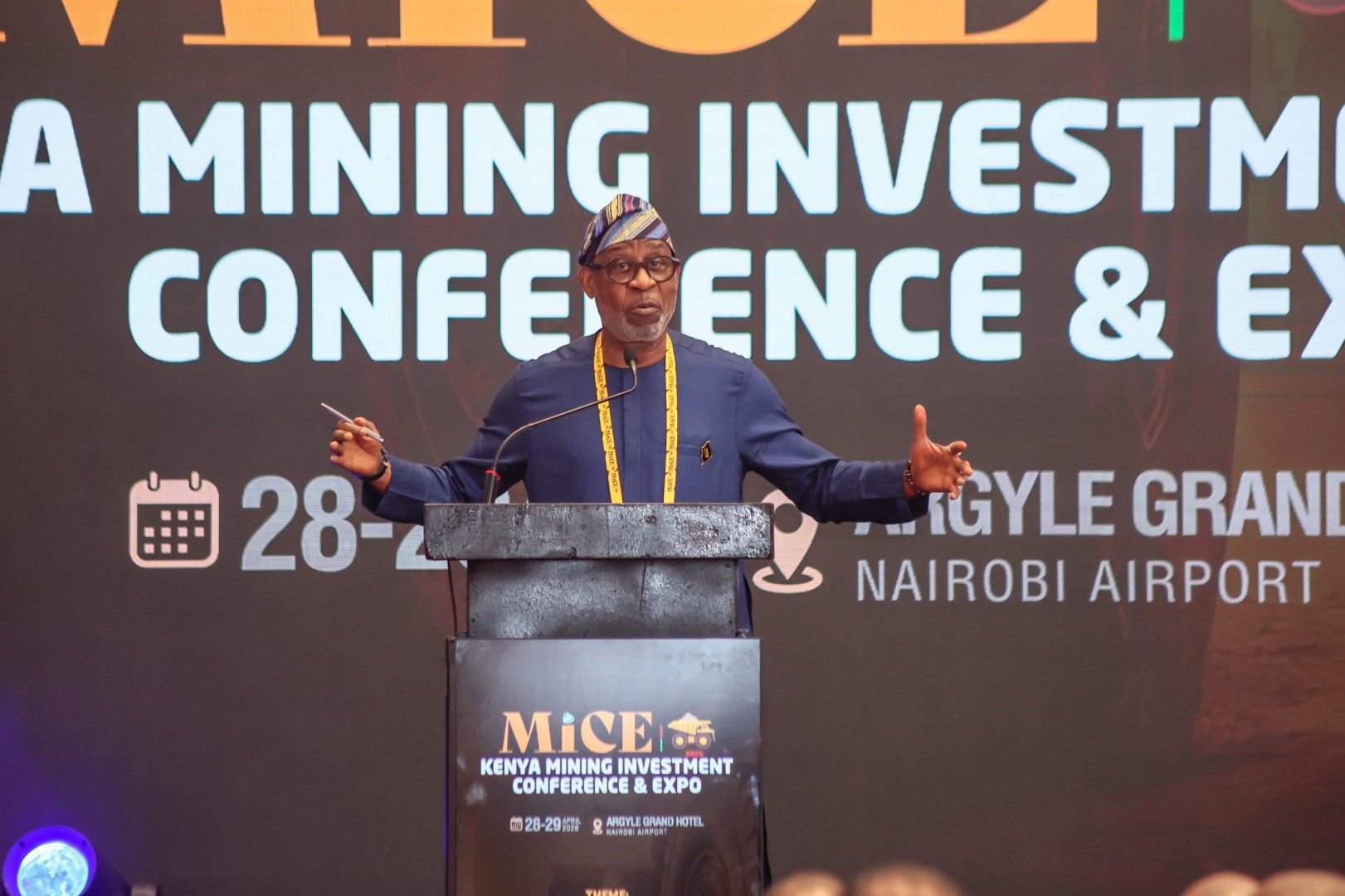
H.E. Dr. Oladele Henry Alake, Nigeria’s Minister of Solid Minerals Development and Chairperson of the Africa Minerals Strategy Group, called for stronger cooperation between African mineral-producing countries.
His proposals included aligned policies, shared infrastructure, coordinated investment strategies and regional mineral value chains supported by the African Continental Free Trade Area.
Alake reiterated the urgent need for value addition across Africa’s mining sector, emphasizing that the future belongs to nations and regions that process, refine, manufacture and innovate. He also presented the Group as a mechanism through which member states can negotiate fairer terms, harmonize regulations, pool infrastructure investment and jointly develop geological data. The approach seeks to transform separate national ambitions into a stronger continental position within global mineral supply chains.
For more stories of African mining and metals and minerals, visit our dedicated archives and follow us on LinkedIn.
1 Comment
https://shorturl.fm/oVJ8U