

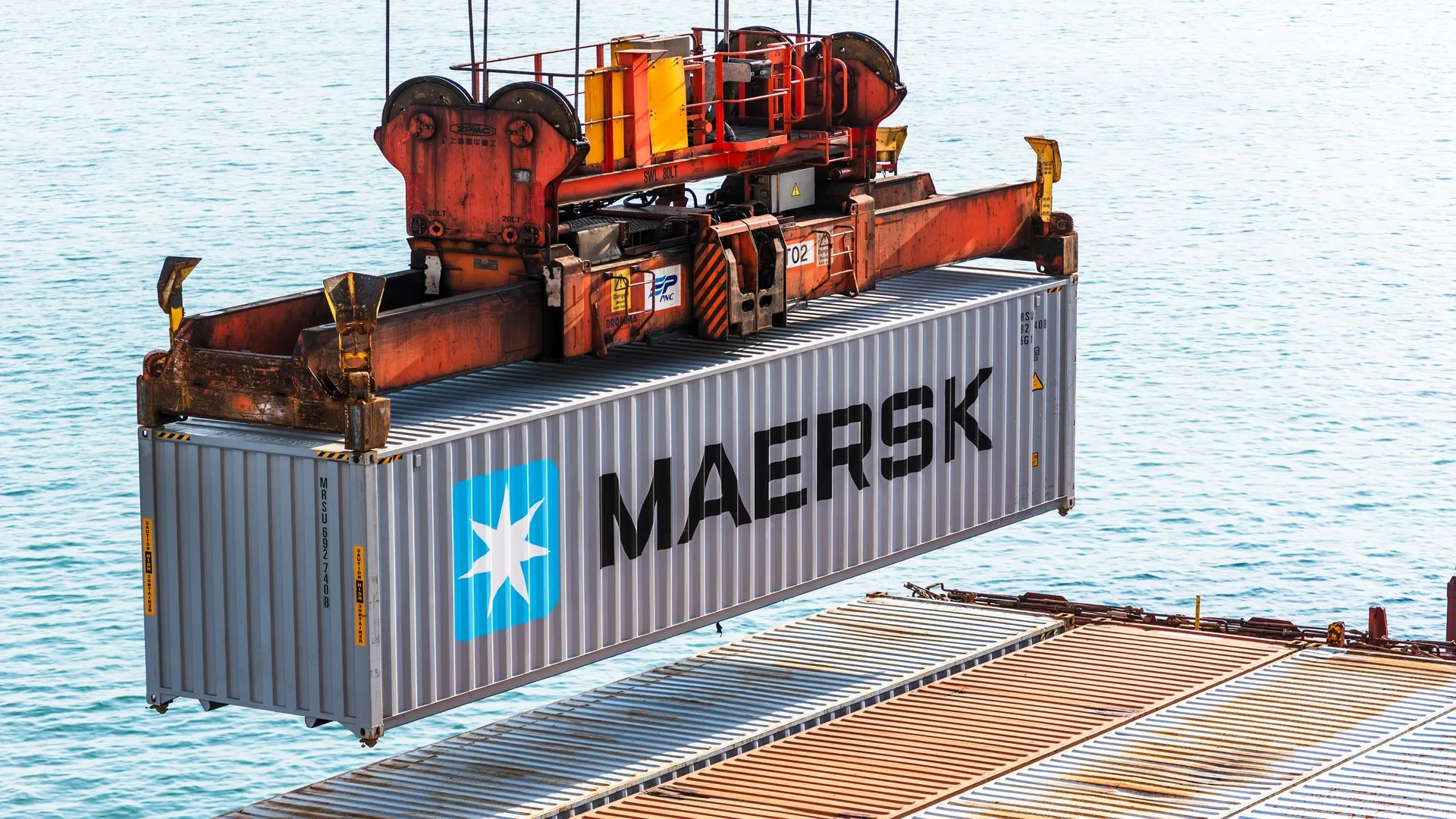
A new Express route between Italy and Tunisia from Maersk reshapes Europe-North Africa trade with fast transit and strategic supply chain implications.
As European supply chains confront shifting global dynamics, shipping giant Maersk has introduced a game-changing maritime link between Italy and Tunisia that is already reshaping trade patterns across the Mediterranean.
A New Express Corridor
Maersk’s new Maersk Express service slashes maritime transit times between Italy and Tunisia to just 2 days and 7 hours, enabling faster movement of goods between Europe and North Africa. Central to its design is enhanced connectivity with RO-RO infrastructure via Cagliari and seamless integration into Maersk’s wider European logistics network.
“We are fully aware of the strategic implications and the need to connect industrial and automotive industries that are evolving in both countries,” said Emilia De La Cruz, Area Managing Director, SWE, at Maersk. He also highlighted the speed of the service and the fact it was integrated with a wide range of logistical services.
Alessandro Maldina, Area Managing Director, CSE, at Maersk, highlighted the impact of recent disruptions to trade, including COVID and the closure of the Suez Canal, saying, “they cannot rely on the traditional Asian flows. Nearshoring is ongoing with Tunisia and North Africa at the forefront. With this new service, we’re addressing the need of the customer and we’re there to support them.”
By doing so, the service provides a high-speed maritime corridor that connects Tunisia’s industrial outputs to European markets more efficiently, helping firms avoid congestion at traditional hub ports and offering businesses a clearer, more reliable gateway to continental distribution.
Impact on Automotive and Industrial Flows
Tunisia has emerged as an important assembly center for precision automotive components used across European production lines. The express link ensures a stable movement of these critical goods, reducing dwell time and supporting European assembly continuity, a priority for manufacturers reliant on just-in-time supply chains.
With automotive production so sensitive to delays and disruptions, the Maersk Express service changes the calculus for supply-chain planners by offering a shorter, more predictable connection that dovetails with inland logistics and regional distribution networks.
Nearshoring and Mediterranean Trade Strategy
Industry observers note that the new route strengthens Europe’s nearshoring agenda, a strategic shift toward sourcing production closer to end markets to reduce exposure to distant manufacturing hubs. The combination of proximity, cost competitiveness and industrial capability in Tunisia makes the country an increasingly attractive partner for European manufacturers seeking to shorten supply lines.
The express link not only improves transit performance but also reinforces regional integration, positioning North Africa as a logical extension of Mediterranean logistics planning. This could prompt companies to reassess routing strategies that previously favored longer or congested corridors.
Rethinking Supply Chain Geometry
Shipping and logistics analysts say the Italy–Tunisia express route has “quietly altered the geometry of Europe–North Africa trade,” compelling logistics planners to revisit traditional long-haul routes in favor of shorter, high-frequency services.
By introducing a consistent, rapid link that aligns industrial supply with market demand, the Maersk Express service represents more than a logistics innovation, it signals a strategic pivot in how Mediterranean trade lanes are configured.
For more stories of African logistics, visit our dedicated pages.