

Close Menu
    What's Hot

    Kenya–Zambia Talks Spotlight Deeper Trade Cooperation

    February 16, 2026

    Kenya Launches Digital Platforms to Turn Embassies into AfCFTA Trade Hubs

    February 13, 2026

    South Africa’s Agricultural Exports Hit Record $15.1bn in 2025 Despite US Tariff-Linked Slump

    February 12, 2026
    Gulf Africa ReviewGulf Africa Review
    • Industry
    • Infrastructure
      1. Airport
      2. Hospitality
      3. Ports
      4. Power
      5. Rail
      6. Roads
      7. Transport
      Featured

      Osun seeks to capitalise on infrastructure momentum

      Infrastructure May 21, 2018
      Recent

      Dodai – Making EVs Practical in Ethiopia

      January 30, 2026

      Maersk Express Spurs New Europe–North Africa Trade Corridor

      January 26, 2026

      MAX Raises $24m to Scale Electric Mobility Across West & Central Africa

      January 21, 2026
    • Business & Trade
      1. Agri-Business
      2. Entrepreneurship
      3. FDI
      4. Legislative
      5. MEA
      6. Telecoms
      7. Properties
      Featured

      Analysts predict bullish future for Nigeria’s REITs market

      Business Business & Trade January 21, 2018
      Recent

      Kenya–Zambia Talks Spotlight Deeper Trade Cooperation

      February 16, 2026

      Nigeria Seeks Global Cocoa Revival Through Trade and Investment

      February 2, 2026

      Okonjo-Iweala – Africa Must Add Value to Products to Grow Intra-African Trade

      January 23, 2026
    • Finance
      1. Banking
      2. Islamic finance
      Featured

      India Exim $40mn Credit Line for West African Development

      Finance Infrastructure August 27, 2025
      Recent

      India Exim $40mn Credit Line for West African Development

      August 27, 2025

      AfDB Anchors $500M Financing for Ethiopia’s “Mega-Airport”

      August 13, 2025

      DP World and Nedbank Elevate Trade Finance in Africa

      September 18, 2024
    • Innovation
    Gulf Africa ReviewGulf Africa Review
    Logistics

    Maersk Express Spurs New Europe–North Africa Trade Corridor

    January 26, 20263 Mins Read
    Facebook Twitter Pinterest LinkedIn Tumblr Email
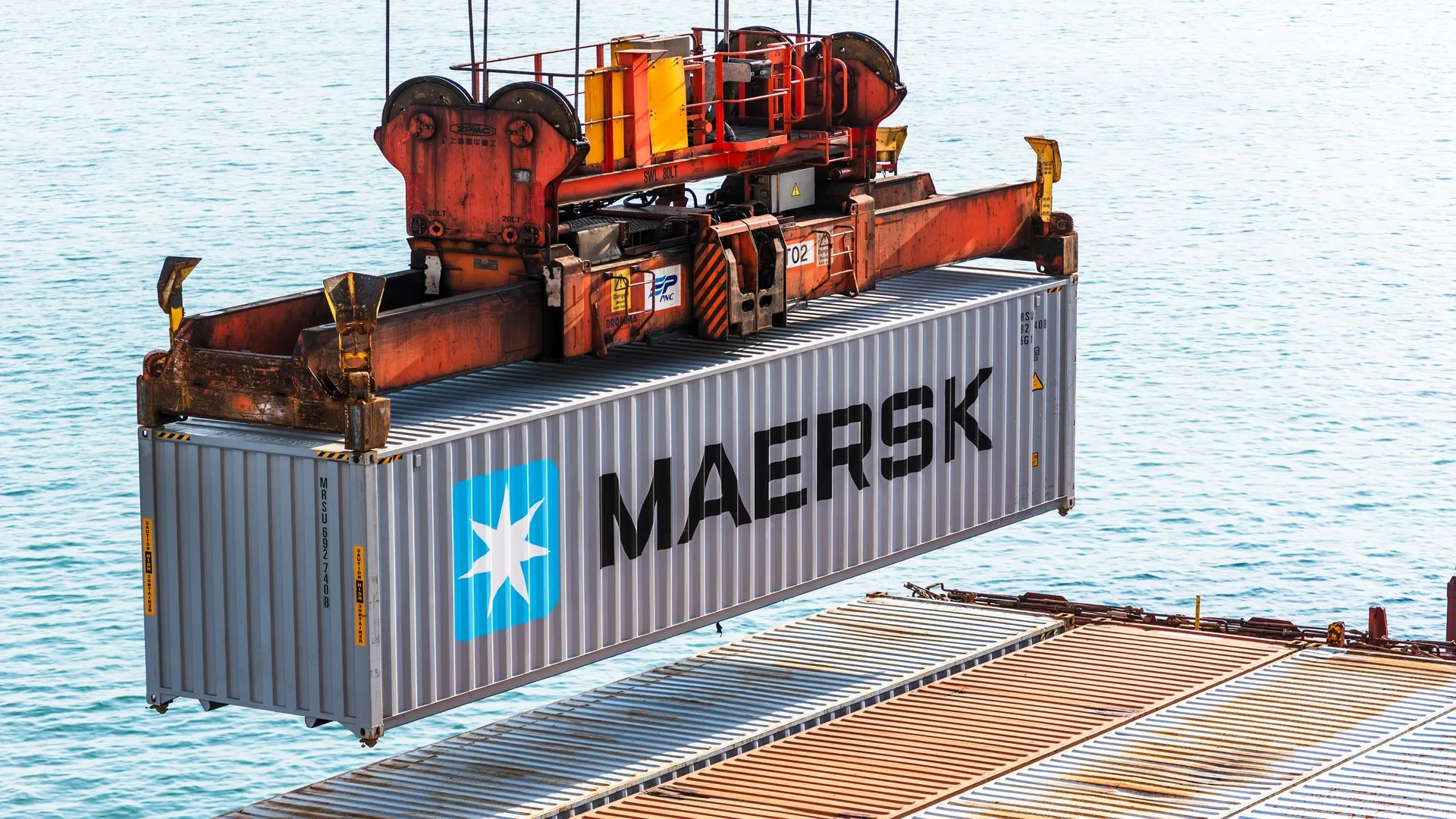
    maersk
    Maersk's new link not only improves transit performance but also reinforces regional integration, positioning North Africa as a logical extension of Mediterranean logistics planning.
    Share
    Facebook Twitter LinkedIn Pinterest Email

    A new Express route between Italy and Tunisia from Maersk reshapes Europe-North Africa trade with fast transit and strategic supply chain implications.

    As European supply chains confront shifting global dynamics, shipping giant Maersk has introduced a game-changing maritime link between Italy and Tunisia that is already reshaping trade patterns across the Mediterranean.

    A New Express Corridor

    Maersk’s new Maersk Express service slashes maritime transit times between Italy and Tunisia to just 2 days and 7 hours, enabling faster movement of goods between Europe and North Africa. Central to its design is enhanced connectivity with RO-RO infrastructure via Cagliari and seamless integration into Maersk’s wider European logistics network.

    “We are fully aware of the strategic implications and the need to connect industrial and automotive industries that are evolving in both countries,” said Emilia De La Cruz, Area Managing Director, SWE, at Maersk. He also highlighted the speed of the service and the fact it was integrated with a wide range of logistical services.

    Alessandro Maldina, Area Managing Director, CSE, at Maersk, highlighted the impact of recent disruptions to trade, including COVID and the closure of the Suez Canal, saying, “they cannot rely on the traditional Asian flows. Nearshoring is ongoing with Tunisia and North Africa at the forefront. With this new service, we’re addressing the need of the customer and we’re there to support them.”

    By doing so, the service provides a high-speed maritime corridor that connects Tunisia’s industrial outputs to European markets more efficiently, helping firms avoid congestion at traditional hub ports and offering businesses a clearer, more reliable gateway to continental distribution.

    Impact on Automotive and Industrial Flows

    Tunisia has emerged as an important assembly center for precision automotive components used across European production lines. The express link ensures a stable movement of these critical goods, reducing dwell time and supporting European assembly continuity, a priority for manufacturers reliant on just-in-time supply chains.

    With automotive production so sensitive to delays and disruptions, the Maersk Express service changes the calculus for supply-chain planners by offering a shorter, more predictable connection that dovetails with inland logistics and regional distribution networks.

    Nearshoring and Mediterranean Trade Strategy

    Industry observers note that the new route strengthens Europe’s nearshoring agenda, a strategic shift toward sourcing production closer to end markets to reduce exposure to distant manufacturing hubs. The combination of proximity, cost competitiveness and industrial capability in Tunisia makes the country an increasingly attractive partner for European manufacturers seeking to shorten supply lines.

    The express link not only improves transit performance but also reinforces regional integration, positioning North Africa as a logical extension of Mediterranean logistics planning. This could prompt companies to reassess routing strategies that previously favored longer or congested corridors.

    Rethinking Supply Chain Geometry

    Shipping and logistics analysts say the Italy–Tunisia express route has “quietly altered the geometry of Europe–North Africa trade,” compelling logistics planners to revisit traditional long-haul routes in favor of shorter, high-frequency services.

    By introducing a consistent, rapid link that aligns industrial supply with market demand, the Maersk Express service represents more than a logistics innovation, it signals a strategic pivot in how Mediterranean trade lanes are configured.

    For more stories of African logistics, visit our dedicated pages.

    Africa Italy logistics Maersk shipping Tunisia
    Share. Facebook Twitter Pinterest LinkedIn Tumblr Telegram Email
    Previous ArticleOkonjo-Iweala – Africa Must Add Value to Products to Grow Intra-African Trade
    Next Article Morocco and Senegal to Deepen Industry and Trade Cooperation

    Related Posts

    Business & Trade Trade

    Kenya–Zambia Talks Spotlight Deeper Trade Cooperation

    February 16, 2026
    Trade

    Kenya Launches Digital Platforms to Turn Embassies into AfCFTA Trade Hubs

    February 13, 2026
    Trade

    South Africa’s Agricultural Exports Hit Record $15.1bn in 2025 Despite US Tariff-Linked Slump

    February 12, 2026
    Add A Comment
    Leave A Reply Cancel Reply

    LATEST STORIES

    Kenya–Zambia Talks Spotlight Deeper Trade Cooperation

    February 16, 2026

    Kenya Launches Digital Platforms to Turn Embassies into AfCFTA Trade Hubs

    February 13, 2026

    South Africa’s Agricultural Exports Hit Record $15.1bn in 2025 Despite US Tariff-Linked Slump

    February 12, 2026

    South Africa Joins Afreximbank, Unlocks US$8 Billion for Trade, Energy & Industry

    February 9, 2026

    TradeMark Africa: Cut Non-Tariff Barriers to Unlock Intra-African Trade

    February 6, 2026
    • Business
      • Agri-Business
      • Entrepreneurship
      • FDI
      • Legislative
      • MEA
      • Properties
      • Telecoms
    • Infrastructure
      • Airport
      • Hospitality
      • Ports
      • Power
      • Rail
      • Roads
      • Transport
    • Finance
      • Banking
      • Islamic finance
    • Commodities
      • Agri commodities
      • Metals & minerals
      • Precious metals
    • Culture & Society
      • Education
      • Energy
    GAR logo
    © GulfAfricaReview.com 2014-2022, All Rights Reserved.

    Gulf Africa Review is a trade news and future networking platform for businesses leaders and trade organisations, established to first inform and secondly assist in facilitating the ongoing business and trade relations between the Gulf Cooperation Council countries and Sub-Saharan Africa. We aim to provide an apolitical voice for this channel of economic activity in a way that benefits both geographies by improving the availability of information about market events, developments and opportunities, while publicising the successes achieved by this ever-broadening regional relationship.

      Subscribe to our newsletter

      Type above and press Enter to search. Press Esc to cancel.