

Egypt is seeking deeper US private-sector investment in ports, maritime transport and logistics as it expands a network designed to strengthen the country’s role between Mediterranean, Red Sea, Gulf and African markets.
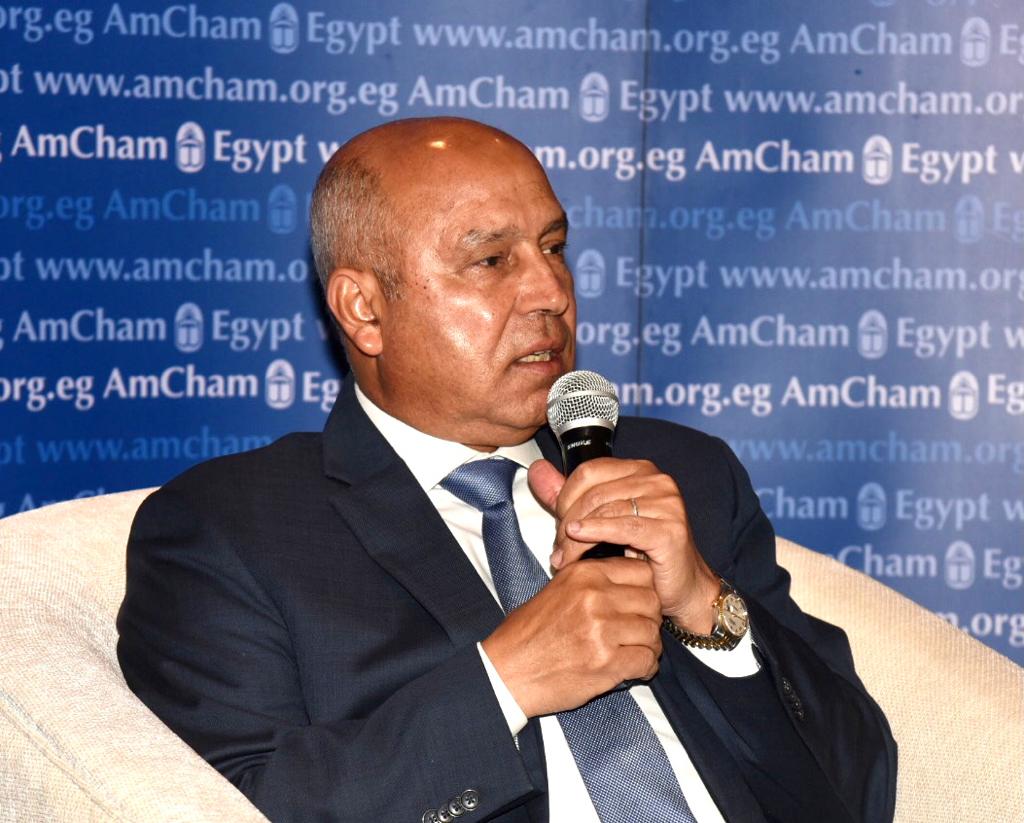
Speaking at the U.S.–Egypt Ports Infrastructure and Maritime Innovation Forum in New Cairo on 23 August, Transport Minister Kamel El-Wazir called for greater American participation in port management, maritime services and logistics technology.
“Egypt’s government is ready to provide all forms of support and assistance to serious investments, particularly US investments, across the transport sector,” El-Wazir said.
Eight Logistics Corridors Take Shape
Egypt is developing eight integrated international logistics corridors linking seaports, the Suez Canal zone, dry ports and industrial, agricultural and mining areas through railways and highways.
The program also includes five new ports, taking the country to 19 commercial ports, around 70 kilometers of new berths and plans to expand the national maritime fleet to 40 vessels by 2030, with annual transport capacity of 30 million tons.
One planned corridor runs through Bernees, Aswan, East Oweinat and Al-Kufra towards N’Djamena in Chad, reinforcing Egypt’s effort to connect its infrastructure programme with African trade routes. President Abdel Fattah El-Sisi has separately called for transport and logistics projects to strengthen commercial integration with Arab and African markets.
US Firms See Investment Opportunity
US Deputy Assistant Secretary of Commerce for the Middle East and Africa Mark Mitchell described Egypt as a “globally important trade and technology crossroads”, arguing that advanced infrastructure can strengthen supply-chain resilience.
US Chargé d’Affaires Robert Silverman said American companies are “well positioned to compete for new projects and deepen commercial ties” as Egypt expands maritime infrastructure.
Private-sector representatives also stressed the need for partnerships with Egyptian companies. Manish Kothari, president and CEO of engineering consultancy Sheladia Associates, said: “We have to partner between the American firms and the Egyptian local firms, because together we can succeed.”
Rapiscan Systems Senior Vice President Paul Diamond said US security technology could also help facilitate trade with American and Western markets by increasing confidence in port and cargo screening systems.
“If you want to trade freely in the world, having an American security system is probably the same as the Americans are actually using in America,” Diamond said on the sidelines of the forum.
Gulf and African Links Expand
Egypt’s port strategy also has a growing Gulf and African dimension. The Safaga 2 multipurpose terminal on the Red Sea is being developed in partnership with Abu Dhabi Ports Group and forms part of the Safaga–Qena–Abu Tartour logistics corridor.
The project is intended to support Upper Egypt’s mining and industrial activity while strengthening connections with Gulf markets and East Africa through a dedicated international logistics zone.
The latest US mission adds another potential source of capital, technology and operating expertise to a port network increasingly shaped by international partnerships.
For more African trade and transport coverage, visit our logistics pages and follow us on LinkedIn.