

Close Menu
    What's Hot

    Africa Targets 15% Growth in Cross-Border Livestock Trade

    September 4, 2026

    Tanzania Accounts for 39% of Outstanding EAC Trade Barriers

    September 2, 2026

    Kenya Advances $1bn Port PPP Program

    August 31, 2026
    Gulf Africa ReviewGulf Africa Review
    • Industry
    • Infrastructure
      1. Airport
      2. Hospitality
      3. Ports
      4. Power
      5. Rail
      6. Roads
      7. Transport
      Featured

      Osun seeks to capitalise on infrastructure momentum

      Infrastructure May 21, 2018
      Recent

      Kenya Advances $1bn Port PPP Program

      August 31, 2026

      Dangote Refinery is Reshaping African Fuel Trade

      August 28, 2026

      Egypt Courts US Investment for Port and Logistics Expansion

      August 24, 2026
    • Business & Trade
      1. Agri-Business
      2. Entrepreneurship
      3. FDI
      4. Legislative
      5. MEA
      6. Telecoms
      7. Properties
      Featured

      Analysts predict bullish future for Nigeria’s REITs market

      Business Business & Trade January 21, 2018
      Recent

      Tanzania Accounts for 39% of Outstanding EAC Trade Barriers

      September 2, 2026

      $600m ETG Financing Package Targets African Agricultural Trade

      August 26, 2026

      Tanzania & DRC Target Trade Growth Through Infrastructure Links

      August 21, 2026
    • Finance
      1. Banking
      2. Islamic finance
      Featured

      Littlefish Raises $9.5 Million to Expand Merchant Infrastructure for African Banks

      Business & Trade Finance Infrastructure March 25, 2026
      Recent

      Littlefish Raises $9.5 Million to Expand Merchant Infrastructure for African Banks

      March 25, 2026

      India Exim $40mn Credit Line for West African Development

      August 27, 2025

      AfDB Anchors $500M Financing for Ethiopia’s “Mega-Airport”

      August 13, 2025
    • Innovation
    Gulf Africa ReviewGulf Africa Review
    Agri commodities

    Africa Targets 15% Growth in Cross-Border Livestock Trade

    September 4, 20263 Mins Read
    Facebook Twitter Pinterest LinkedIn Tumblr Email
    livestock trade
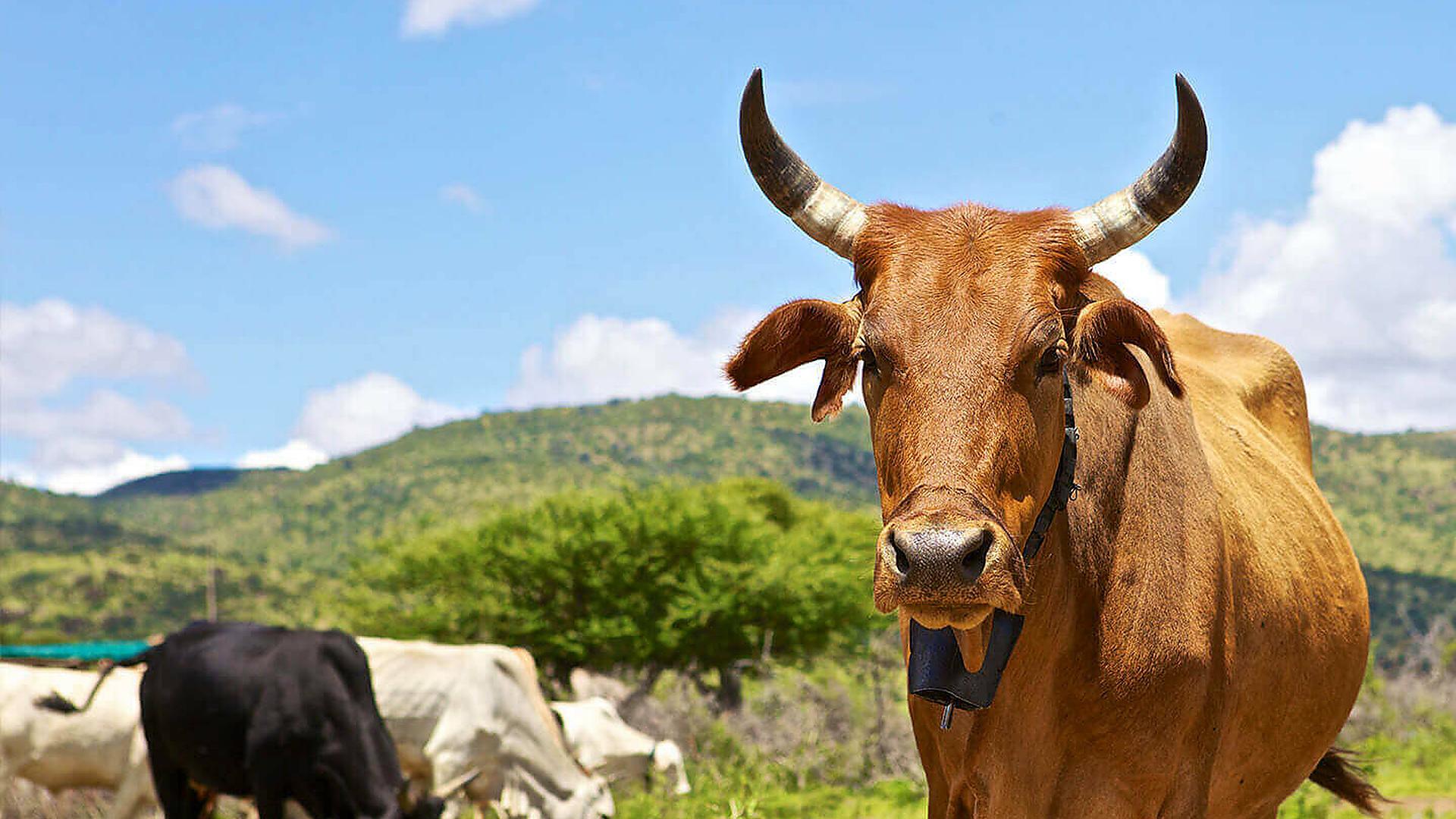
    Africa’s livestock sector supports millions of livelihoods, with new efforts focused on expanding regional value chains and cross-border trade.
    Share
    Facebook Twitter LinkedIn Pinterest Email

    African livestock leaders are pushing for integrated regional value chains, stronger animal-health systems and private investment to expand trade under AfCFTA.

    African countries are targeting a 10–15% increase in the value and volume of the formal intra-African livestock trade in selected corridors by 2029, as governments, industry and development organisations push for more integrated regional value chains.

    The target forms part of the African Union Inter-African Bureau for Animal Resources’ (AU-IBAR) Integrated Regional Livestock Value Chain programme, discussed this week at the Africa Food Systems Forum in Kigali. The International Livestock Research Institute co-convened the livestock discussions with AU-IBAR, bringing together governments, researchers, livestock businesses and development partners.

    According to AU-IBAR, Africa’s livestock sector contributes around $210 billion to GDP and supports close to 800 million producers, pastoralists, traders and processors. Yet the formal intra-African livestock trade remains at around 16%.

    Moving Livestock Across Borders

    The programme focuses on specific regional value chains: red meat and leather across IGAD, COMESA, SADC and the Sahel; dairy in East Africa and the Maghreb; poultry meat in ECOWAS; and eggs in Central Africa.

    AU-IBAR Director Huyam Salih said the aim is to connect currently fragmented markets: “We already know what works. The task now is coordinating policy and trade across borders so proven livestock solutions can scale from one country to a continent,” she said.

    The AU-IBAR programme already supports more than 30 regional projects and calls for harmonised standards, mutual recognition of certification, coordinated disease control and financing better suited to livestock production cycles.

    Animal Health Becomes a Trade Issue

    For the private sector, animal health is central to whether regional livestock trade can expand.

    Mucai Kunyiha, Group CEO of East African animal-health company CKL Africa, told the Kigali meeting that vaccination needs to be treated as a permanent system involving producers, manufacturers, veterinarians, governments and regional institutions. “Vaccination is a system, not an event,” Kunyiha said.

    Professor Lindiwe Majele Sibanda similarly argued that the challenge is no longer establishing the livestock sector’s importance, but rather delivering on its potential, and offering solutions to issues, at scale. “What we have lacked is the ability to connect all these pieces and deliver at scale. Africa’s livestock priority is no longer recognition. It is delivery,” she said.

    Scale Remains a Constraint

    International Livestock Research Institute Director General Appolinaire Djikeng said Africa already has much of the technology and expertise required to transform livestock production. “Clearly Africa doesn’t lack solutions for its livestock sector. What it lacks is scale and productivity,” Djikeng told the Kigali meeting.

    He argued that narrowing the gap between African production and imports would be critical to unlocking the continent’s wider agribusiness potential.

    Export Markets Show the Opportunity

    Companies already operating in international livestock markets provided a glimpse of the sector’s potential.

    One example of the sector’s potential is Ethiopia’s Luna Export Slaughterhouse, whose managing director Tesfalidet Hagos participated in the Kigali livestock discussions. The company exports chilled goat and sheep meat to the UAE and Saudi Arabia.

    The International Finance Corporation signed a financing package with Luna in June to support expanded feed production, animal fattening and greater supply-chain integration. The investment includes plans to develop refrigerated transport capable of moving meat by rail to the Port of Djibouti before shipment to Gulf markets, potentially lowering transport costs compared with existing road and air-freight routes.

    For AU-IBAR, expanding similar commercially viable value chains across African borders could help retain more livestock value on the continent while giving producers access to larger regional markets.

    For more African trade, investment and business news, visit Gulf Africa Review and follow us on LinkedIn.

    AfCFTA Africa livestock trade
    Share. Facebook Twitter Pinterest LinkedIn Tumblr Telegram Email
    Previous ArticleTanzania Accounts for 39% of Outstanding EAC Trade Barriers

    Related Posts

    Business & Trade Trade

    Tanzania Accounts for 39% of Outstanding EAC Trade Barriers

    September 2, 2026
    Business & Trade

    $600m ETG Financing Package Targets African Agricultural Trade

    August 26, 2026
    Infrastructure Logistics Ports Rail Roads

    Egypt Courts US Investment for Port and Logistics Expansion

    August 24, 2026
    Add A Comment
    Leave A Reply Cancel Reply

    LATEST STORIES

    Africa Targets 15% Growth in Cross-Border Livestock Trade

    September 4, 2026

    Tanzania Accounts for 39% of Outstanding EAC Trade Barriers

    September 2, 2026

    Kenya Advances $1bn Port PPP Program

    August 31, 2026

    Dangote Refinery is Reshaping African Fuel Trade

    August 28, 2026

    $600m ETG Financing Package Targets African Agricultural Trade

    August 26, 2026
    • Business
      • Agri-Business
      • Entrepreneurship
      • FDI
      • Legislative
      • MEA
      • Properties
      • Telecoms
    • Infrastructure
      • Airport
      • Hospitality
      • Ports
      • Power
      • Rail
      • Roads
      • Transport
    • Finance
      • Banking
      • Islamic finance
    • Commodities
      • Agri commodities
      • Metals & minerals
      • Precious metals
    • Culture & Society
      • Education
      • Energy
    GAR logo
    © GulfAfricaReview.com 2014-2022, All Rights Reserved.

    Gulf Africa Review is a trade news and future networking platform for businesses leaders and trade organisations, established to first inform and secondly assist in facilitating the ongoing business and trade relations between the Gulf Cooperation Council countries and Sub-Saharan Africa. We aim to provide an apolitical voice for this channel of economic activity in a way that benefits both geographies by improving the availability of information about market events, developments and opportunities, while publicising the successes achieved by this ever-broadening regional relationship.

      Subscribe to our newsletter

      Type above and press Enter to search. Press Esc to cancel.