

Close Menu
    What's Hot

    Africa Targets 15% Growth in Cross-Border Livestock Trade

    September 4, 2026

    Tanzania Accounts for 39% of Outstanding EAC Trade Barriers

    September 2, 2026

    Kenya Advances $1bn Port PPP Program

    August 31, 2026
    Gulf Africa ReviewGulf Africa Review
    • Industry
    • Infrastructure
      1. Airport
      2. Hospitality
      3. Ports
      4. Power
      5. Rail
      6. Roads
      7. Transport
      Featured

      Osun seeks to capitalise on infrastructure momentum

      Infrastructure May 21, 2018
      Recent

      Kenya Advances $1bn Port PPP Program

      August 31, 2026

      Dangote Refinery is Reshaping African Fuel Trade

      August 28, 2026

      Egypt Courts US Investment for Port and Logistics Expansion

      August 24, 2026
    • Business & Trade
      1. Agri-Business
      2. Entrepreneurship
      3. FDI
      4. Legislative
      5. MEA
      6. Telecoms
      7. Properties
      Featured

      Analysts predict bullish future for Nigeria’s REITs market

      Business Business & Trade January 21, 2018
      Recent

      Tanzania Accounts for 39% of Outstanding EAC Trade Barriers

      September 2, 2026

      $600m ETG Financing Package Targets African Agricultural Trade

      August 26, 2026

      Tanzania & DRC Target Trade Growth Through Infrastructure Links

      August 21, 2026
    • Finance
      1. Banking
      2. Islamic finance
      Featured

      Littlefish Raises $9.5 Million to Expand Merchant Infrastructure for African Banks

      Business & Trade Finance Infrastructure March 25, 2026
      Recent

      Littlefish Raises $9.5 Million to Expand Merchant Infrastructure for African Banks

      March 25, 2026

      India Exim $40mn Credit Line for West African Development

      August 27, 2025

      AfDB Anchors $500M Financing for Ethiopia’s “Mega-Airport”

      August 13, 2025
    • Innovation
    Gulf Africa ReviewGulf Africa Review
    Business & Trade

    Tanzania Accounts for 39% of Outstanding EAC Trade Barriers

    September 2, 20263 Mins Read
    Facebook Twitter Pinterest LinkedIn Tumblr Email
    Trade Barriers
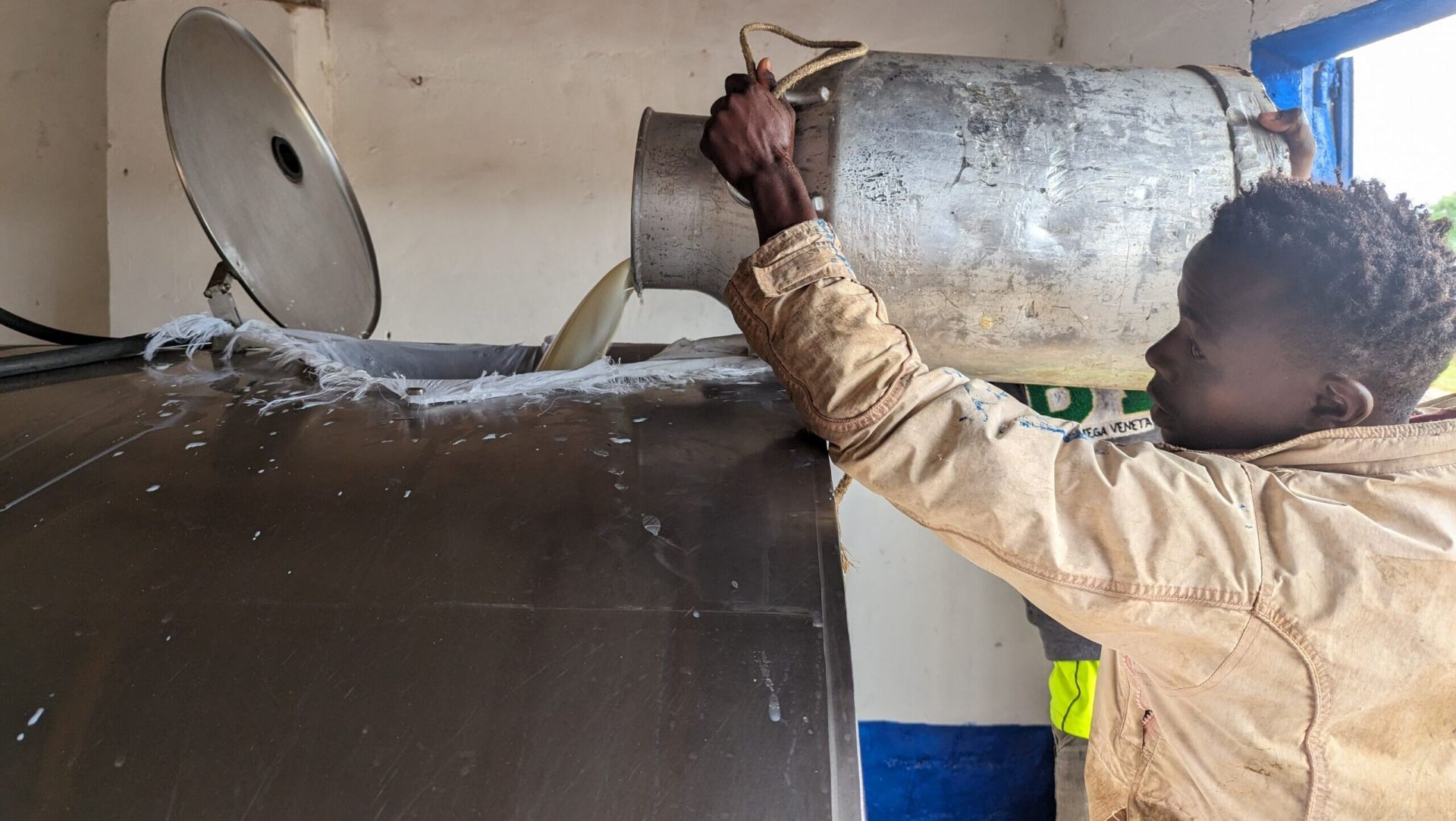
    Ugandan milk was highlighted as suffering from charges along with other products.
    Share
    Facebook Twitter LinkedIn Pinterest Email

    East African businesses are calling for faster action on non-tariff barriers as the bloc seeks to increase intra-regional trade.

    Tanzania accounts for almost 40% of the outstanding non-tariff barriers (NTBs) within the East African Community, highlighting persistent obstacles to deeper intra-regional trade despite repeated commitments to remove them.

    The EAC’s 40th Regional Monitoring Committee identified 28 outstanding NTBs, with Tanzania responsible for 11, or 39.3%, according to reports. Kenya accounts for five, while the Democratic Republic of Congo and Rwanda each have four.

    The findings come after a June 30 deadline set by EAC heads of state for resolving outstanding barriers passed with many restrictions still in place.

    Taxes and Levies Continue to Restrict Trade

    Tax-related measures, particularly excise duties and levies, remain among the most persistent barriers.

    The barriers include an industrial development levy on Kenyan goods, excise duties affecting products including chocolate, paints and confectionery, and charges affecting Ugandan milk. Other EAC members have also maintained restrictions, including Kenyan duties and fees affecting products and transporters from neighboring states.

    The impact is being felt by exporters. Kenyan exports to Tanzania fell to KSh2.6 billion ($20.15 million) in February, their lowest level since May 2021, while exports to Uganda dropped to KSh6.6 billion ($51.16 million).

    EAC Targets Administrative Bottlenecks

    The East African Community has acknowledged that domestic administrative and regulatory obstacles remain a significant impediment to regional commerce.

    “We have made significant progress in removing tariff barriers. Our priority now is to eliminate the administrative and regulatory obstacles that continue to increase the cost and time of doing business across our region,” EAC Secretary General Amb. Stephen P. Mbundi said earlier in the year.

    The bloc is targeting an increase in intra-EAC trade to 50% by 2030, with Mbundi calling for greater harmonisation of domestic regulation and more efficient border institutions.

    Border Reform Remains a Priority

    Further reforms are also being pursued at the region’s One Stop Border Posts. A separate EAC assessment of regional border operations identified delays involving government agencies, inadequate infrastructure and staffing shortages among the constraints still affecting traders.

    “Increasing trade volumes require us to modernize our border operations through business process re-engineering, digitalization, coordinated border management and greater use of risk-based controls,” said EAC Deputy Secretary General for Customs, Trade and Monetary Affairs Annette Ssemuwemba.

    In June, EAC ministers also considered proposals to strengthen the legal framework for eliminating NTBs, including potential sanctions and compensation where traders suffer losses because of illegal taxes or unauthorized restrictions. The proposals remain subject to technical and legal review.

    Businesses Push for a More Predictable Market

    Private-sector leaders argue that removing barriers could unlock significantly more regional commerce. Intra-EAC trade accounts for around 15% of the bloc’s total trade, despite growing by 28% in 2025, while an estimated 30–50% of regional trade potential remains unrealized, according to findings from a recent East African Business Council forum.

    “Our priority must be to make the EAC a more competitive and predictable market for business. We need to remove non-tariff barriers, harmonize standards, reduce logistics costs, and ensure that regional commitments are implemented consistently,” EABC Executive Director Ahmed Farah said.

    With regional businesses looking to expand across an EAC economy valued at around $400 billion, the continued use of national taxes, administrative requirements and other restrictions risks limiting the benefits of an increasingly integrated East African market.

    For more information on African trade and regional integration, visit Gulf Africa Review and follow us on LinkedIn.

    EAC Tanzania trade Trade Barriers
    Share. Facebook Twitter Pinterest LinkedIn Tumblr Telegram Email
    Previous ArticleKenya Advances $1bn Port PPP Program
    Next Article Africa Targets 15% Growth in Cross-Border Livestock Trade

    Related Posts

    Agri commodities Trade

    Africa Targets 15% Growth in Cross-Border Livestock Trade

    September 4, 2026
    Business & Trade

    $600m ETG Financing Package Targets African Agricultural Trade

    August 26, 2026
    Infrastructure Logistics Ports Rail Roads

    Egypt Courts US Investment for Port and Logistics Expansion

    August 24, 2026
    Add A Comment
    Leave A Reply Cancel Reply

    LATEST STORIES

    Africa Targets 15% Growth in Cross-Border Livestock Trade

    September 4, 2026

    Tanzania Accounts for 39% of Outstanding EAC Trade Barriers

    September 2, 2026

    Kenya Advances $1bn Port PPP Program

    August 31, 2026

    Dangote Refinery is Reshaping African Fuel Trade

    August 28, 2026

    $600m ETG Financing Package Targets African Agricultural Trade

    August 26, 2026
    • Business
      • Agri-Business
      • Entrepreneurship
      • FDI
      • Legislative
      • MEA
      • Properties
      • Telecoms
    • Infrastructure
      • Airport
      • Hospitality
      • Ports
      • Power
      • Rail
      • Roads
      • Transport
    • Finance
      • Banking
      • Islamic finance
    • Commodities
      • Agri commodities
      • Metals & minerals
      • Precious metals
    • Culture & Society
      • Education
      • Energy
    GAR logo
    © GulfAfricaReview.com 2014-2022, All Rights Reserved.

    Gulf Africa Review is a trade news and future networking platform for businesses leaders and trade organisations, established to first inform and secondly assist in facilitating the ongoing business and trade relations between the Gulf Cooperation Council countries and Sub-Saharan Africa. We aim to provide an apolitical voice for this channel of economic activity in a way that benefits both geographies by improving the availability of information about market events, developments and opportunities, while publicising the successes achieved by this ever-broadening regional relationship.

      Subscribe to our newsletter

      Type above and press Enter to search. Press Esc to cancel.