

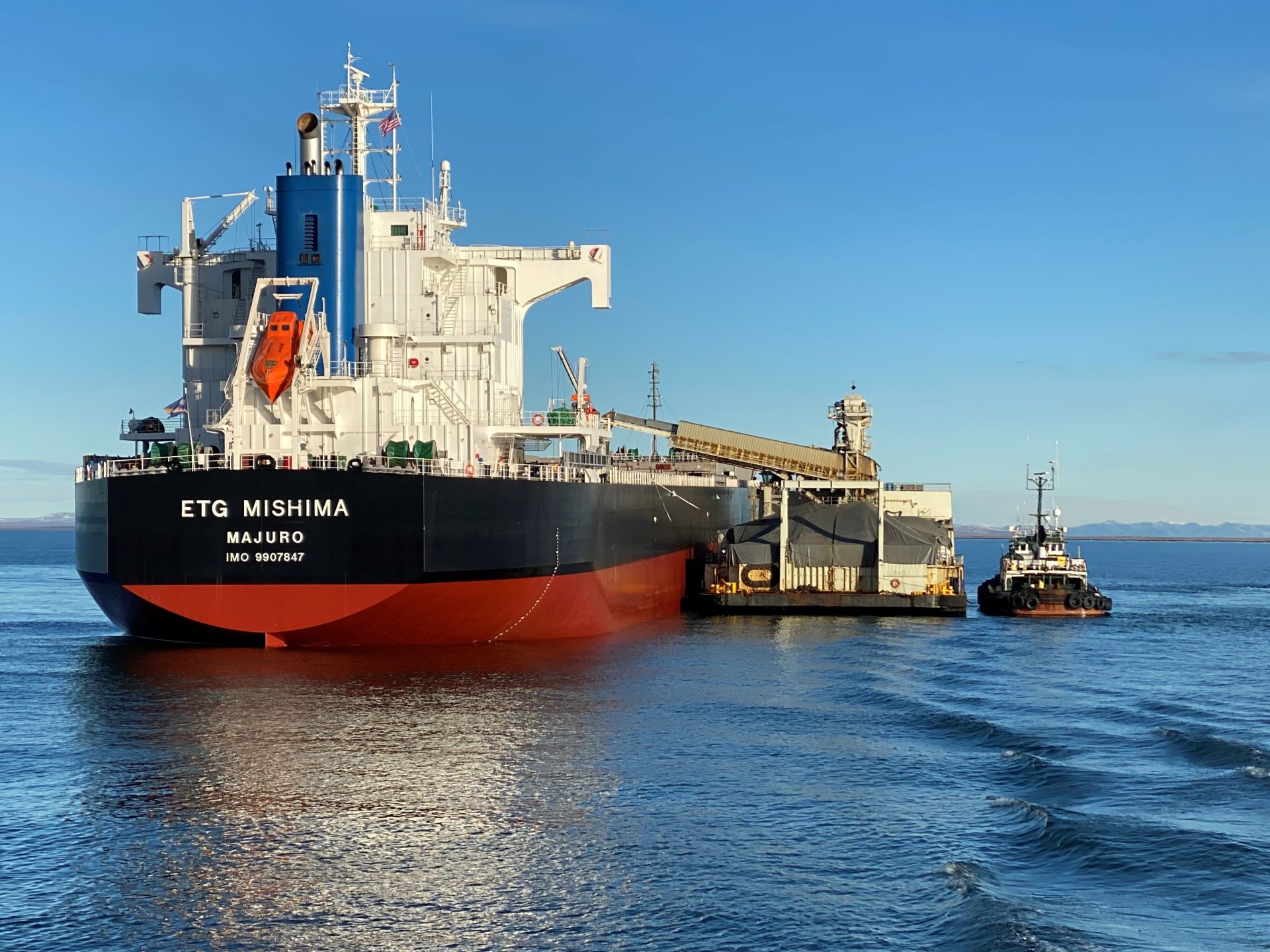
Dutch entrepreneurial development bank FMO and Trade and Development Bank Group (TDB) have expanded a sustainability-linked financing facility for global agricultural commodities and supply-chain company Export Trading Group (ETG) as development investors target stronger agricultural value chains and market access across Africa.
A sustainability-linked financing package supporting agricultural trade and value chains across Africa has grown to $600 million, bringing new development-finance investors into a facility arranged by FMO and the Trade and Development Bank Group (TDB Group).
The facility was originally signed at $394 million before an increased commitment from FinDev Canada and the addition of investors including the Asian Development Bank, Cassa Depositi e Prestiti, Finnfund, Impact Fund Denmark and OeEB.
According to TDB Group, the financing primarily supports ETG’s African operations, including working capital used across agricultural supply chains involving grains, pulses, oilseeds and fertilizers.
Connecting Farmers with Markets
Founded in Kenya in 1967, ETG now operates across more than 50 countries and connects smallholder farmers with agricultural inputs, processing, logistics and regional and international markets.
FMO Co-Chief Investment Officer Huib-Jan de Ruijter said the facility demonstrates how development financiers can “mobilize capital alongside partners” while supporting sustainable private-sector growth. FMO said the financing is also tied to measurable environmental and social targets.
Michael Awori, TDB’s Trade and Development Banking Chief Executive for Eastern and Western Africa, said the financing reaches “smallholder farmers, agribusinesses, and traders” driving regional food systems.
ETG Chief Treasury Officer Paul Van Spaendonk said the company’s “commitment to the African continent remains steadfast” as it expands its agricultural operations. TDB Group said ETG ultimately aims to reach one million African smallholders with services supporting production, crop quality, traceability and climate resilience.
Finance Targets Lost Agricultural Value
The financing also highlights a persistent constraint on African agriculture: farmers may produce viable crops but still lack the finance, storage, logistics and market connections needed to capture greater value.
“Agriculture employs millions of people across Africa, but too much value is lost when farmers lack access to logistics, financing and markets. ETG is addressing this challenge at scale. What makes this investment particularly compelling is that the loan is structured to ensure that ETG places special emphasis on areas such as supporting women farmers, expanding advisory services and reducing deforestation,” said Søren Peter Andreasen, Deputy CEO of Impact Fund Denmark, which is contributing $22.5 million to the facility.
Finnfund Senior Investment Manager Pauliina Halonen similarly said agricultural investment can improve farmer market access, productivity and resilience while strengthening food security.
Sustainability Linked to Cost of Capital
Unlike conventional lending, the facility links ETG’s financing terms to agreed environmental and social performance targets.
These include increasing support for women farmers, expanding agricultural advisory services, reducing deforestation and improving climate resilience. Impact Fund Denmark said the interest rate can fall if ETG meets specified sustainability targets.
OeEB CEO Sabine Gaber said the financing would help “secure access to essential food commodities” while supporting farmers and local businesses.
For development financiers, the deal represents more than working-capital funding. It is also an attempt to use private-sector finance to improve the infrastructure around African agriculture — connecting production with logistics, processing and markets while supporting greater intra-African agricultural trade.
For more African trade, investment and business news, visit Gulf Africa Review and follow us on LinkedIn.