

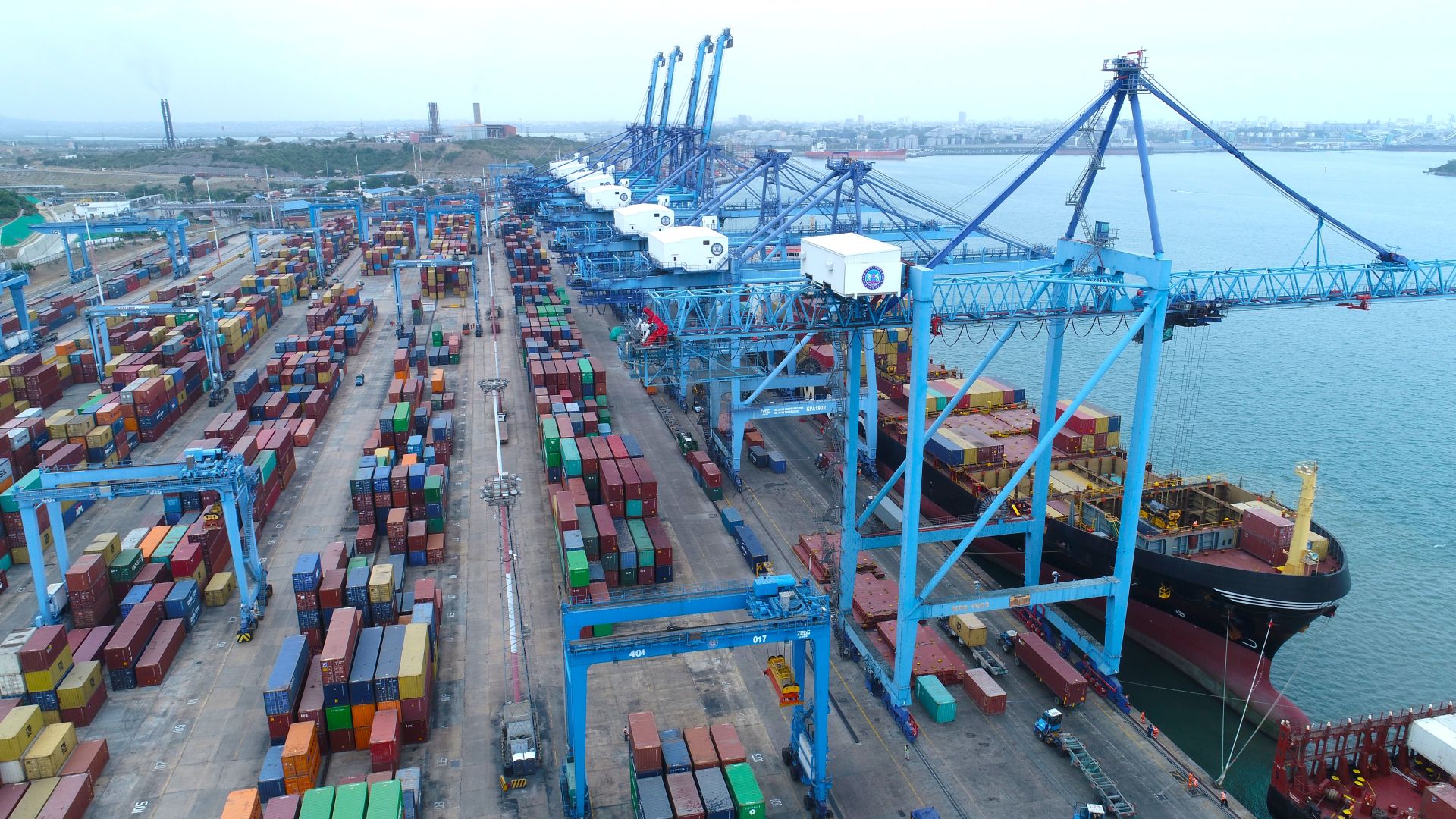
Kenya is advancing plans to attract around $1 billion in private investment into port infrastructure in Mombasa and Lamu after feasibility studies for four strategic assets were approved.
The Public-Private Partnership Committee has approved studies covering Mombasa Berths 11–14, Mombasa Container Terminal 1, Lamu Container Terminal and the Lamu Special Economic Zone (SEZ), moving the assets into the procurement stage. Engagement with potential investors is scheduled to begin in September.
Private Capital Targeted for Port Development
The government’s 2026 Investment Projects Catalogue estimates the Phase 1 investment opportunity at approximately $1 billion. This includes around $300 million to develop Mombasa Berths 11–14, alongside concessions covering Container Terminal 1 and Lamu Port Berths 1–3, and the development and operation of the Lamu SEZ.
Kenya Ports Authority (KPA) is the contracting authority, with the projects designated for competitive bidding. Official PPP documentation names Maritime & Transport Business Solutions, CPF Capital & Advisory Limited and Orion Infrastructure Africa LLP as transaction advisers.
Kenya Moves Towards Landlord-Port Model
Director-General of the Directorate of Public-Private Partnerships Kefa Seda said the wider objective is to progressively transition Mombasa and Lamu towards a landlord-port model, bringing in private capital, technical expertise and operational capacity while KPA retains public ownership and strategic oversight.
“The approval moves these strategic port assets from feasibility into the procurement stage under the PPP framework,” said a statement from Seda’s department.
KPA Managing Director Captain William Ruto has previously sought to distinguish the program from privatisation, telling The Standard in March: “The government retains ownership of port land and infrastructure while leasing certain operations to private operators under defined agreements.”
Procurement Set to Move Forward
Seda said the Phase 1 transactions can now advance to competitive procurement, while feasibility work continues on a second phase of port assets.
He added that the procurement process will include public disclosures and stakeholder engagement in accordance with Kenya’s PPP legal framework.
Rising Cargo Volumes Add Pressure for Investment
The investment push comes as Kenya’s ports record strong growth in cargo volumes. According to Kenya Ports Authority, Mombasa handled a record 45.45 million tonnes of cargo in 2025, up from 40.99 million tonnes in 2024. Container traffic increased 5.5% to 2.11 million TEUs, while transit cargo rose 19.5% to 15.88 million tonnes.
Lamu recorded even faster growth, handling 799,161 tonnes in 2025, compared with just 74,380 tonnes a year earlier, largely due to increased containerised cargo. The first three berths at Lamu have a combined annual capacity of 1.2 million TEUs, according to KPA, providing significant room for further expansion as shipping activity increases.
For more information on African trade and logistics, visit our dedicated archives at Gulf Africa Review and follow us on LinkedIn.