

Close Menu
    What's Hot

    NjiaPay Streamlines Payment Management for African Businesses

    December 5, 2025

    Logistics & Standards Failures Stall Promise of Trade Integration

    December 3, 2025

    South Africa’s Trade Surplus Narrows to Around ZAR 15.6 Billion

    December 1, 2025
    Gulf Africa ReviewGulf Africa Review
    • Industry
    • Infrastructure
      1. Airport
      2. Hospitality
      3. Ports
      4. Power
      5. Rail
      6. Roads
      7. Transport
      Featured

      Osun seeks to capitalise on infrastructure momentum

      Infrastructure May 21, 2018
      Recent

      Dar es Salaam Port Closure Jolts East Africa’s Trade Corridors

      November 3, 2025

      Spiro Secures $100 Million to Drive Africa’s Electric Mobility Revolution

      October 28, 2025

      Bad Roads Stifle Intra-African Trade – Air Connections Can Close the Gap

      September 10, 2025
    • Business & Trade
      1. Agri-Business
      2. Entrepreneurship
      3. FDI
      4. Legislative
      5. MEA
      6. Telecoms
      7. Properties
      Featured

      Analysts predict bullish future for Nigeria’s REITs market

      Business Business & Trade January 21, 2018
      Recent

      NjiaPay Streamlines Payment Management for African Businesses

      December 5, 2025

      Logistics & Standards Failures Stall Promise of Trade Integration

      December 3, 2025

      ECOWAS & TradeMark Africa to Harmonize Trade Standards on Abidjan–Lagos Corridor

      November 28, 2025
    • Finance
      1. Banking
      2. Islamic finance
      Featured

      India Exim $40mn Credit Line for West African Development

      Finance Infrastructure August 27, 2025
      Recent

      India Exim $40mn Credit Line for West African Development

      August 27, 2025

      AfDB Anchors $500M Financing for Ethiopia’s “Mega-Airport”

      August 13, 2025

      DP World and Nedbank Elevate Trade Finance in Africa

      September 18, 2024
    • Innovation
    Gulf Africa ReviewGulf Africa Review
    Business & Trade

    Addis-Djibouti corridor infrastructure to be upgraded

    July 21, 20233 Mins Read
    Facebook Twitter Pinterest LinkedIn Tumblr Email
    Addis-Djibouti corridor
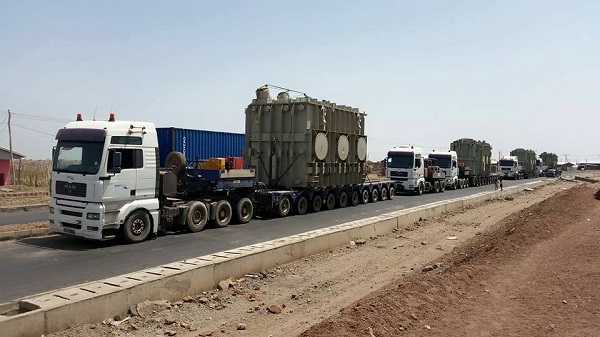
    The current road infrastructure is woefully inadequate and causes significant delays.
    Share
    Facebook Twitter LinkedIn Pinterest Email

    The Addis-Djibouti corridor will be upgraded as The Horn of Africa Initiative’s Regional Economic Corridor Project receives USD 730 million to transform key trade route.

    The Addis-Djibouti corridor, a pivotal trade route essential for Ethiopia’s economic growth, is set to undergo a significant upgrade through the Horn of Africa Initiative’s Regional Economic Corridor Project. Endowed with a USD 730 million grant from the International Development Association (IDA), the project aims to boost regional connectivity and logistics efficiency in Ethiopia, facilitating trade and fostering inclusive growth in the region. The corridor connects landlocked Ethiopia to the port of Djibouti.

    The World Bank‘s International Development Association (IDA), established in 1960, helps the world’s poorest countries by providing grants and low to zero-interest loans for projects and programs that boost economic growth, reduce poverty, and improve people’s lives. 

    Improving vital trade routes

    With over 95% of Ethiopia’s import-export trade relying on the Addis-Djibouti corridor, upgrading its infrastructure is crucial for unlocking Ethiopia’s economic potential. The project targets the enhancement of the road to Djibouti, particularly the Mieso-Dire Dawa section, which currently hampers smooth truck traffic flow due to its poor condition.

    By transforming this section into a four-lane expressway, transport time will reduce significantly, road safety will improve, fuel and maintenance costs will decrease, and pollution levels will drop. This upgrade is not only pivotal for Ethiopia’s economic growth but also essential for its social development, as it will enhance the capacity and efficiency of this vital trade route.

    Fostering competitiveness through logistics efficiency

    The Project aims to enhance Ethiopia’s trade competitiveness by implementing regulatory and institutional reforms, investing in logistics facilities, and bolstering the government’s capability to promote the shift towards railways. Moreover, the Project will offer opportunities for private sector participation in operating freight truck terminals. These measures will streamline logistics operations, reducing bottlenecks and increasing efficiency, further boosting Ethiopia’s position in regional and global trade.

    Empowering local communities and long-term development

    As part of its comprehensive approach, the Project includes investments in secondary roads that connect local communities to the main corridor. This move not only generates job opportunities for underserved communities and women, but also contributes to long-term development outcomes. By bolstering connectivity and accessibility, the Project lays the groundwork for sustainable economic growth and prosperity throughout the region.

    The Addis-Djibouti corridor project – A transformative initiative

    “The Addis-Djibouti Regional Economic Corridor project is one of the priority operations that we are supporting in the Horn to help connect hinterland to ports and markets, and to increase opportunities for regional trade. It’s expected outcomes extend beyond economic growth and social development in Ethiopia, as it will enhance regional integration and generate spillover benefits for the entire region,” said Boutheina Guermazi, World Bank Director for Regional Integration for Africa and the Middle East.

    The approval of the Horn of Africa Initiative’s Regional Economic Corridor Project, with its generous USD 730 million grant from the IDA, marks a significant milestone for Ethiopia’s trade and connectivity ambitions. The planned upgrades to the Addis-Djibouti corridor promise to unlock economic potential, enhance regional trade, and foster long-term development outcomes.

    For more infrastructure and trade news, visit our dedicated archives.

    Addis-Djibouti corridor Djibouti Ethiopia Infrastructure trade
    Share. Facebook Twitter Pinterest LinkedIn Tumblr Telegram Email
    Previous ArticleMali’s gold mining revenue surges by 35% in 2022
    Next Article Gulf oil deal – Kenya takes measures to safeguard deal amid shilling slide

    Related Posts

    Business & Trade

    NjiaPay Streamlines Payment Management for African Businesses

    December 5, 2025
    Business & Trade Trade

    Logistics & Standards Failures Stall Promise of Trade Integration

    December 3, 2025
    Trade

    South Africa’s Trade Surplus Narrows to Around ZAR 15.6 Billion

    December 1, 2025
    Add A Comment
    Leave A Reply Cancel Reply

    LATEST STORIES

    NjiaPay Streamlines Payment Management for African Businesses

    December 5, 2025

    Logistics & Standards Failures Stall Promise of Trade Integration

    December 3, 2025

    South Africa’s Trade Surplus Narrows to Around ZAR 15.6 Billion

    December 1, 2025

    ECOWAS & TradeMark Africa to Harmonize Trade Standards on Abidjan–Lagos Corridor

    November 28, 2025

    AfDB: Trade Corridors as Drivers of Africa’s Industrial Future

    November 26, 2025
    • Business
      • Agri-Business
      • Entrepreneurship
      • FDI
      • Legislative
      • MEA
      • Properties
      • Telecoms
    • Infrastructure
      • Airport
      • Hospitality
      • Ports
      • Power
      • Rail
      • Roads
      • Transport
    • Finance
      • Banking
      • Islamic finance
    • Commodities
      • Agri commodities
      • Metals & minerals
      • Precious metals
    • Culture & Society
      • Education
      • Energy
    GAR logo
    © GulfAfricaReview.com 2014-2022, All Rights Reserved.

    Gulf Africa Review is a trade news and future networking platform for businesses leaders and trade organisations, established to first inform and secondly assist in facilitating the ongoing business and trade relations between the Gulf Cooperation Council countries and Sub-Saharan Africa. We aim to provide an apolitical voice for this channel of economic activity in a way that benefits both geographies by improving the availability of information about market events, developments and opportunities, while publicising the successes achieved by this ever-broadening regional relationship.

      Subscribe to our newsletter

      Type above and press Enter to search. Press Esc to cancel.