

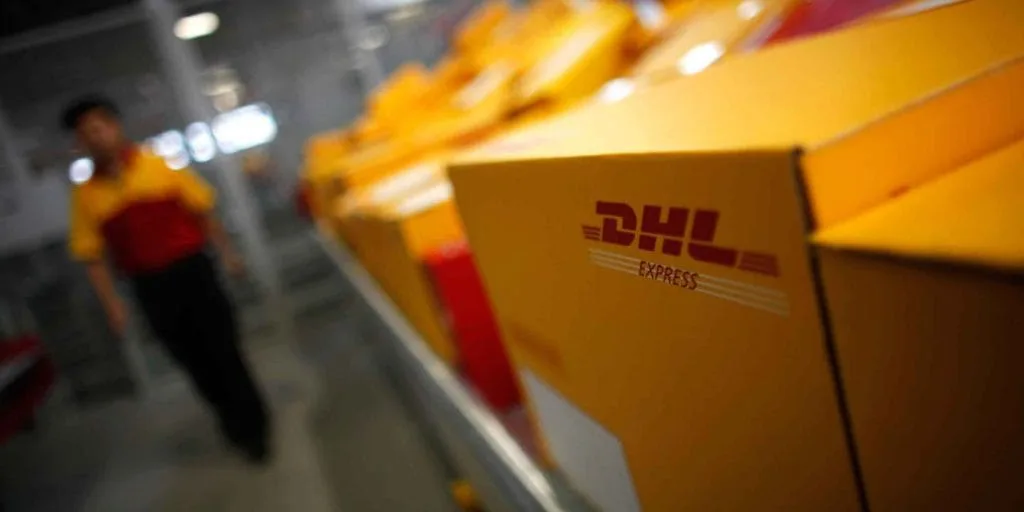
DHL Express commits over €300m to expand air connectivity across Sub-Saharan Africa, strengthening gateways and enabling faster, more reliable trade flows.
DHL Scales Up in Africa
DHL Express has announced a major €300 million commitment to expand logistics infrastructure across Africa, with the largest share of this investment flowing into Sub-Saharan markets. The move is designed to reshape air connectivity, a foundational pillar of modern trade, and provide faster, more predictable access to global markets for African exporters.
Reliably flying goods reliably is about more than just speed. In sectors like e-commerce, healthcare, perishables and advanced manufacturing, consistency and predictability of delivery are essential to competitiveness. DHL’s plan includes upgrading gateways, expanding aviation capacity, and enhancing service to emerging second cities that are rising as new trade hubs.
This strategy comes at a time when Sub-Saharan Africa is one of the fastest-growing trade regions in the world, with trade value rising even amid global volatility. Investments in air connectivity directly support African businesses, from small and medium enterprises (SMEs) to larger exporters, to plug into global value chains with confidence.
Closer to Customers, Simpler Trade
Hennie Heymans, CEO of DHL Express Sub-Saharan Africa, emphasized the region’s evolving logistics needs:“Our focus is to be closer to customers and make cross-border shipping simpler and more reliable. As trade expands, businesses are asking for predictable transit times, consistent delivery performance and support that understands local conditions. By raising the bar on service and proximity, we will help more African companies trade efficiently and compete on a bigger stage.”
This statement reflects a shift from traditional asset-heavy logistics solutions toward customer-centric, reliability-driven networks, a critical evolution in a region where regulatory complexity and infrastructure variability can slow trade.
Supporting Integration and Growth Beyond Air Routes
The DHL plan aligns neatly with Africa’s broader trade ambitions, especially the African Continental Free Trade Area (AfCFTA), which aims to foster deeper intra-continental commerce through reduced barriers and improved connectivity. Logistics investments like DHL’s can help turn policy goals into operational realities by smoothing cross-border flows and shortening time to market.
Beyond physical networks, DHL is also investing in digital trade tools and training programmes that help African SMEs navigate customs, e-commerce and export processes. Amadou Diallo, CEO of DHL Global Forwarding Middle East & Africa, said: “Customers are navigating shifting trade patterns and tighter regulatory requirements, so reliability and visibility matter more than ever. We are strengthening forwarding solutions with deeper local expertise and enhanced digital tools, giving clients clearer control of their shipments from origin to destination. The goal is straightforward: keep goods moving predictably and help customers capture growth where demand is emerging.”
DHL Supply Chain will expand capacity and transport-led solutions, with a particular focus on the transporter sector and life sciences and healthcare. This includes enhanced temperature-controlled capabilities to support critical healthcare flows and fast-moving fulfilment, as demand for third-party logistics services continues to grow, especially in South Africa’s core market. Orkun Saruhanoglu, CEO, DHL Supply Chain Middle East & Africa, said: “DHL Supply Chain is expanding in South Africa as the economy gains momentum and supply chains become more sophisticated. We are seeing growing demand for specialized, outsourced logistics, particularly in life sciences and healthcare and across the transporter sector. By adding capacity, strengthening transport-led solutions and applying our contract logistics expertise, we will help customers improve service quality, manage risk and scale with confidence.”
What This Means for African Trade
- Faster connections: New air routes shorten delivery times to global and regional markets.
- Stronger logistics backbone: Upgraded gateways and air hubs provide reliable service even to emerging cities.
- SME empowerment: Training and digital tools help smaller firms expand internationally.
- Aligned with AfCFTA: Logistics upgrades support continental integration by reducing friction in cross-border trade.
Africa’s path to becoming a global trade engine depends as much on logistics infrastructure as on policy frameworks. DHL’s investment, backed by operational leadership on the ground, signals confidence in the continent’s growth potential and reinforces logistics as a strategic lever for economic success.
For more stories of trade and infrastructure across Africa, visit our dedicated archives.
1 Comment
We improve MOZ Domain authority 40+ in 25 Days its help to improve google rank, improve your website SEO, and you get traffic from google
DA 40 – (Only $29) –
DA 50 – (Only $79) –
DA 60 – (Only $89) –
Yes, Limited time !!
>> 100% Guarantee
>> Improve Ranking
>> White Hat Process
>> Permanent Work
>> 100% Manual Work
>> 0% Spam score increase
⚡ From our work your website keyword get rank on google and get organic traffic from google through keywords
Contact now: intrug@gmail.com