

Close Menu
    What's Hot

    MAX Raises $24m to Scale Electric Mobility Across West & Central Africa

    January 21, 2026

    Libya Signs $2.7bn Misurata Free Zone Expansion Deal with International Partners

    January 19, 2026

    BAT South Africa to End Local Cigarette Production as Illicit Trade Squeezes Market

    January 16, 2026
    Gulf Africa ReviewGulf Africa Review
    • Industry
    • Infrastructure
      1. Airport
      2. Hospitality
      3. Ports
      4. Power
      5. Rail
      6. Roads
      7. Transport
      Featured

      Osun seeks to capitalise on infrastructure momentum

      Infrastructure May 21, 2018
      Recent

      MAX Raises $24m to Scale Electric Mobility Across West & Central Africa

      January 21, 2026

      Libya Signs $2.7bn Misurata Free Zone Expansion Deal with International Partners

      January 19, 2026

      Afreximbank Backs Levene Energy with $64M for Strategic Axxela Stake in Nigeria

      January 12, 2026
    • Business & Trade
      1. Agri-Business
      2. Entrepreneurship
      3. FDI
      4. Legislative
      5. MEA
      6. Telecoms
      7. Properties
      Featured

      Analysts predict bullish future for Nigeria’s REITs market

      Business Business & Trade January 21, 2018
      Recent

      Tanzania’s Gold Exports and Tourism Strengthen Economic Performance

      January 14, 2026

      Kenya Drops 24-Year Sugar Protection

      January 5, 2026

      South Africa Faces New Export Restrictions from Botswana

      December 12, 2025
    • Finance
      1. Banking
      2. Islamic finance
      Featured

      India Exim $40mn Credit Line for West African Development

      Finance Infrastructure August 27, 2025
      Recent

      India Exim $40mn Credit Line for West African Development

      August 27, 2025

      AfDB Anchors $500M Financing for Ethiopia’s “Mega-Airport”

      August 13, 2025

      DP World and Nedbank Elevate Trade Finance in Africa

      September 18, 2024
    • Innovation
    Gulf Africa ReviewGulf Africa Review
    Business & Trade

    Unlocking Nigeria’s maritime potential – NESG explores path to prosperity

    September 27, 20233 Mins Read
    Facebook Twitter Pinterest LinkedIn Tumblr Email
    NESG
    NESG underscored the opportunities and challenges faced by the Nigerian maritime industry.
    Share
    Facebook Twitter LinkedIn Pinterest Email

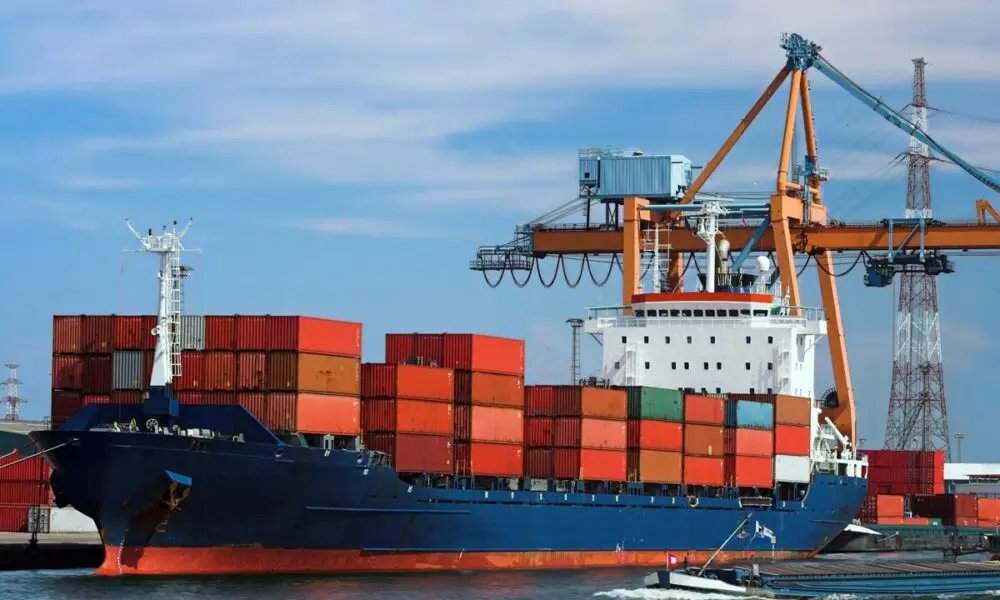
    NESG set out to navigate challenges and opportunities in Nigeria’s maritime industry in a webinar prior to the 29th Nigerian Economic Summit.

    The Nigerian Economic Summit Group (NESG) convened a pre-29th Nigerian Economic Summit (NES29) webinar, centered on the theme “Sailing to Success: Harnessing Nigeria’s Maritime Potential.” Delving into the vast potential of Nigeria’s maritime sector, this event shed light on the obstacles and opportunities it faces while emphasizing its pivotal role in driving economic growth and transformation.

    NESG – Navigating Nigeria’s maritime challenges

    Nigeria’s maritime sector, despite its expansive coastline, grapples with multifaceted challenges that necessitate strategic intervention, according to NESG. Piracy, illegal fishing, inadequate infrastructure, and regulatory bottlenecks have collectively impeded the sector’s full potential realization.

    Unlocking prosperity

    Nnanna Ude, a Board member of the NESG, underscored the critical importance of maritime activities in facilitating global trade and economic growth. With Nigeria’s strategic geographical position along the Gulf of Guinea and an extensive coastline stretching approximately 853 kilometers, the nation stands poised to leverage maritime trade and economic development.

    However, a critical challenge remains the absence of comprehensive data, hindering policymakers from fully grasping the sector’s contribution to Nigeria’s GDP. Mr. Ude commended the establishment of a dedicated marine and blue economy ministry, marking a significant shift in government approach and signaling potential for the sector to catalyze Nigeria’s economic transformation and development.

    Nigeria’s coastal advantage

    Princess Ronke Kosoko, Chief Operating Officer of Maritime Innovations Hub, emphasized West Africa’s pivotal role in maritime trade, owing to its strategic location for global goods transportation. Nigeria’s extensive coastline offers abundant opportunities for maritime trade and development, she said. To unlock this potential, addressing issues such as illegal fishing, infrastructure deficits, and regulatory hurdles becomes paramount.

    A commitment to prosperity

    In his keynote address, Senate Committee Chairman on Marine Transport, Senator Wasiu Eshilokun Sanni, reaffirmed the committee’s dedication to identifying avenues within the maritime sector that align with Nigeria’s goals of economic diversification. He stressed the importance of attracting private investments to inland waterways and called for collaborative efforts from all stakeholders to foster the sector’s growth and development.

    Financing the future

    During the panel session titled “Deconstructing the Financing Conundrum; Innovating out of Long-Term Financial Constraints in the Maritime and Shipping Sector,” Dr. George Moghalu, represented by Mrs. Sarah Buraimoh, the Area Manager Lagos of Nigerian Inland Waterways Authority (NIWA), highlighted the substantial evidence pointing to the maritime sector’s potential to significantly contribute to Nigeria’s economic diversification and inclusivity. In 2018, the Nigerian Maritime Administration and Safety Agency (NIMASA) reported that the maritime sector contributed approximately 5% to the country’s Gross Domestic Product (GDP) and generated employment opportunities for thousands of Nigerians.

    Cargo movement and economic constraints

    Mr. Mohammed Bello Koko, Managing Director of Nigerian Ports Authority (NPA), represented by Engineer Durowaiye Ayodele, the General Manager of Operations, shed light on the maritime industry’s pivotal role in cargo movement. Approximately 70 to 80% of cargo is transported via the sea due to economic considerations. Nigeria boasts six ports and a private port in Lekki, with Lagos ports handling 60 to 70% of trade vessels. This preference is attributed to the robust security and infrastructural support services available around the ports, coupled with Lagos’ status as the commercial hub where most industries are concentrated, primarily between Lagos and Ogun states.

    For more trade and business news, visit our two dedicated portals.

    finance maritime NESG nigeria trade
    Share. Facebook Twitter Pinterest LinkedIn Tumblr Telegram Email
    Previous ArticleOman’s Duqm Refinery completes start-up
    Next Article Africa Energy Week – Set to be bigger than ever

    Related Posts

    Logistics Ports Trade

    Libya Signs $2.7bn Misurata Free Zone Expansion Deal with International Partners

    January 19, 2026
    Trade

    BAT South Africa to End Local Cigarette Production as Illicit Trade Squeezes Market

    January 16, 2026
    Business & Trade Commodities

    Tanzania’s Gold Exports and Tourism Strengthen Economic Performance

    January 14, 2026
    Add A Comment
    Leave A Reply Cancel Reply

    LATEST STORIES

    MAX Raises $24m to Scale Electric Mobility Across West & Central Africa

    January 21, 2026

    Libya Signs $2.7bn Misurata Free Zone Expansion Deal with International Partners

    January 19, 2026

    BAT South Africa to End Local Cigarette Production as Illicit Trade Squeezes Market

    January 16, 2026

    Tanzania’s Gold Exports and Tourism Strengthen Economic Performance

    January 14, 2026

    Afreximbank Backs Levene Energy with $64M for Strategic Axxela Stake in Nigeria

    January 12, 2026
    • Business
      • Agri-Business
      • Entrepreneurship
      • FDI
      • Legislative
      • MEA
      • Properties
      • Telecoms
    • Infrastructure
      • Airport
      • Hospitality
      • Ports
      • Power
      • Rail
      • Roads
      • Transport
    • Finance
      • Banking
      • Islamic finance
    • Commodities
      • Agri commodities
      • Metals & minerals
      • Precious metals
    • Culture & Society
      • Education
      • Energy
    GAR logo
    © GulfAfricaReview.com 2014-2022, All Rights Reserved.

    Gulf Africa Review is a trade news and future networking platform for businesses leaders and trade organisations, established to first inform and secondly assist in facilitating the ongoing business and trade relations between the Gulf Cooperation Council countries and Sub-Saharan Africa. We aim to provide an apolitical voice for this channel of economic activity in a way that benefits both geographies by improving the availability of information about market events, developments and opportunities, while publicising the successes achieved by this ever-broadening regional relationship.

      Subscribe to our newsletter

      Type above and press Enter to search. Press Esc to cancel.