

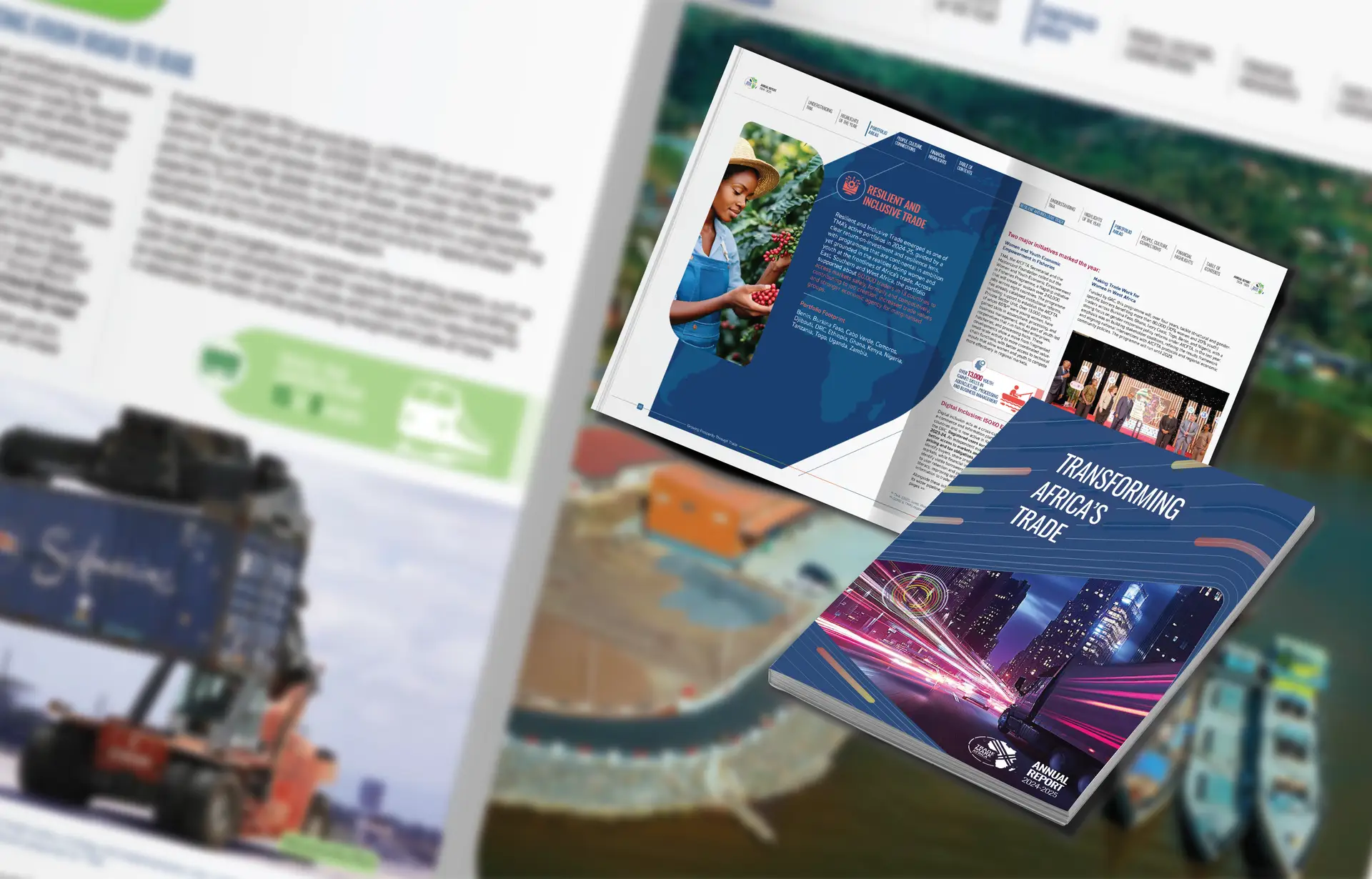
TradeMark Africa’s annual report outlines progress cutting non-tariff barriers, through standards, SPS reforms and digital tools that make borders predictable.
Non-tariff barriers, not tariffs, are increasingly shaping Africa’s trade performance, with standards, testing regimes, certification timelines, and border procedures emerging as decisive constraints. The recent annual report from TradeMark Africa argues that systematic reforms led by governments, the private sector, and partners are beginning to shift competitiveness across borders, while bureaucratic “red tape” as the continent’s most persistent trade choke point.
Non-tariff measures move to the centre
The report’s core argument is that tariffs are no longer the main obstacle to African trade; instead, non-tariff measures are creating friction through “standards that differ from one border to the next,” slow or inconsistent testing regimes, and certificates that are not recognized across countries. It adds that small procedural disputes can linger and quietly shut firms out of markets.
Reflecting on the year, Leo Svahnback, Council Chair of TradeMark Africa, said: “Trade systems are a form of public infrastructure. When rules align, standards are credible and non-tariff barriers are addressed systematically, risk falls and costs come down. This year’s results show that predictability, rather than physical infrastructure alone, is now the determining factor in whether African firms can plan with confidence.”
Standards and SPS Reforms Show Measurable Gains
According to the report, reforms to strengthen Standards and Quality Infrastructure improved how goods are tested, certified, and cleared. It cites an independent evaluation indicating a 60% reduction in certification time, cutting approval periods from five months (2017) to an average of two months (2023), as reported by 60% of surveyed firms in East Africa. It links shorter certification cycles to reduced working-capital pressure and lower delay-related risks.
Country examples include Rwanda, where improved inspection systems cut meat-product interceptions by 45%; Zambia, where enhanced laboratory capacity helped process 100 metric tonnes of maize with zero rejections, with testing times reduced from 72 hours to under 30; and Uganda, where decentralised laboratory services reduced turnaround from more than three weeks to about 15 days.
Digital Tools and Border Performance
The report says digital tools are replacing paper-based routines to reduce discretion and shorten approval processes where procedures can be verified electronically, pointing to ePhyto digitisation in Mozambique and digital quality-infrastructure upgrades in Zanzibar. It also notes infrastructure and process reform can compound benefits, citing corridor-support upgrades that cut clearance times by 83%, 58%, and 63% at Uganda’s Elegu, Goli, and Mahagi respectively. It adds that the newly completed Rubavu Port strengthened connections between Horn–Great Lakes markets and moved two thirds of its annual target within three months.
Competitiveness is “Won or Lost at the Border”
H.E. Hailemariam Desalegn Boshe, TradeMark Africa Board Chair and former Prime Minister of Ethiopia, said: “NTBs restrict African trade far more than tariffs. Aligning standards, reducing discretion and resolving NTBs are essential if Africa is to build regional value chains. Africa’s credibility in trade is won or lost at the border,”
David Beer, Chief Executive Officer of TradeMark Africa, added: “Today’s trade barriers are procedural rather than tariff based. Standards and SPS requirements now govern most global trade. Our focus is on turning them into a gateway to markets, not a source of delay. Trade succeeds when systems work together, when laboratory capacity is credible, digital systems reduce discretion and clearance processes align across borders.” He concluded: “The test of reform is not alignment on paper but outcomes in practice,” and “When standards reduce rejections, NTBs are resolved and clearance times fall, trade becomes predictable.”
What this Signals for Policymakers and Investors
During the reporting period, private-sector-implemented, supported reforms enabled firms to realise significant gains, with a combined $408.06 million in reported trade, sales, and tender values facilitated through strengthened standards systems, streamlined border processes, and expanded digital certification platforms. For policymakers, the emphasis is on consistent application of harmonised standards, credible NTB monitoring, and digital trade platforms that reduce discretion. For investors, the key signal is whether border processes become predictable enough to support repeatable cross-border operations.
The full report can be viewed here.
For more stories of trade from across the region, visit our dedicated archives.