

Close Menu
    What's Hot

    Nigeria and Cameroon Target Faster Trade at Mfum–Ekok Border

    September 11, 2026

    APM Terminals Advances Nigeria’s $2.5bn Badagry Deep-Seaport

    September 9, 2026

    DHL and Absa Target Cross-Border Trade Growth for African SMEs

    September 7, 2026
    Gulf Africa ReviewGulf Africa Review
    • Industry
    • Infrastructure
      1. Airport
      2. Hospitality
      3. Ports
      4. Power
      5. Rail
      6. Roads
      7. Transport
      Featured

      Osun seeks to capitalise on infrastructure momentum

      Infrastructure May 21, 2018
      Recent

      APM Terminals Advances Nigeria’s $2.5bn Badagry Deep-Seaport

      September 9, 2026

      Kenya Advances $1bn Port PPP Program

      August 31, 2026

      Dangote Refinery is Reshaping African Fuel Trade

      August 28, 2026
    • Business & Trade
      1. Agri-Business
      2. Entrepreneurship
      3. FDI
      4. Legislative
      5. MEA
      6. Telecoms
      7. Properties
      Featured

      Analysts predict bullish future for Nigeria’s REITs market

      Business Business & Trade January 21, 2018
      Recent

      Nigeria and Cameroon Target Faster Trade at Mfum–Ekok Border

      September 11, 2026

      DHL and Absa Target Cross-Border Trade Growth for African SMEs

      September 7, 2026

      Tanzania Accounts for 39% of Outstanding EAC Trade Barriers

      September 2, 2026
    • Finance
      1. Banking
      2. Islamic finance
      Featured

      Littlefish Raises $9.5 Million to Expand Merchant Infrastructure for African Banks

      Business & Trade Finance Infrastructure March 25, 2026
      Recent

      Littlefish Raises $9.5 Million to Expand Merchant Infrastructure for African Banks

      March 25, 2026

      India Exim $40mn Credit Line for West African Development

      August 27, 2025

      AfDB Anchors $500M Financing for Ethiopia’s “Mega-Airport”

      August 13, 2025
    • Innovation
    Gulf Africa ReviewGulf Africa Review
    Agri-Business

    Winich Farms Builds Financial Infrastructure for Nigeria’s Agricultural Value Chains

    May 27, 20263 Mins Read
    Facebook Twitter Pinterest LinkedIn Tumblr Email
    Winich Farms
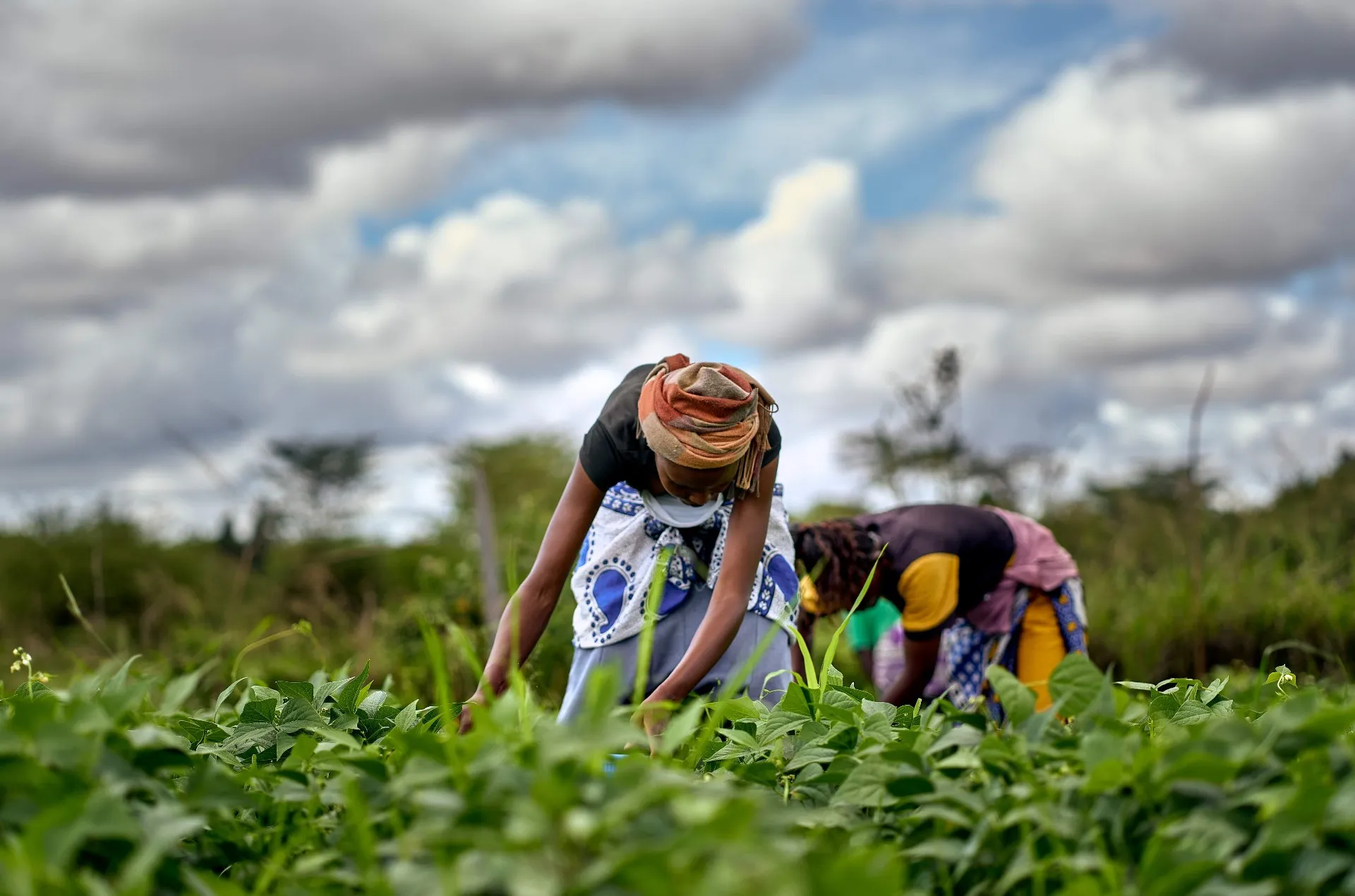
    Winich Farms is company is focused on addressing inefficiencies in agricultural supply chains, particularly fragmented market access and limited financial inclusion.
    Share
    Facebook Twitter LinkedIn Pinterest Email

    Agri-tech startup Winich Farms is linking farmers, buyers, payments and credit through an embedded finance model.

    A Platform for Agricultural Trade

    Nigerian agri-tech startup Winich Farms is building financial infrastructure for agricultural value chains, with a model designed to connect smallholder farmers and agribusinesses to markets, payments and credit through one platform.

    Founded in 2020 by Riches Attai (CEO), Winner Attai, and Chichebem Jibunoh, the company is focused on addressing inefficiencies in agricultural supply chains, particularly fragmented market access and limited financial inclusion, according to Disrupt Africa.

    Embedding Finance into Transactions

    Rather than operating only as a marketplace or lender, Winich Farms facilitates commodity trade between farmers and processors or retailers, then adds financial services to those transactions.

    “We identified a fundamental gap in financial infrastructure within agriculture. Farmers lack access to structured markets, payments and credit, while buyers face inconsistent supply and limited access to working capital tied to commodity flows,” Riches Attai, co-founder and CEO of Winich Farms, said.

    He added: “Most existing solutions address these challenges in isolation either as marketplaces or as lenders. Our differentiation lies in embedding finance directly into trade, allowing us to generate proprietary transaction data, finance real economic activity, and build a more scalable and defensible model.”

    Credit Built Around Verified Trade

    The company’s embedded finance products include produce collateralized credit for farmers and inventory financing, or BNPL, for buyers.

    “By anchoring finance on verified trade flows, we are able to underwrite risk more effectively and unlock capital at scale in a historically underserved sector,” said Attai.

    This approach places transaction data at the center of the company’s model, with financing linked directly to commodity flows and marketplace activity.

    Scaling Across Farmers and Buyers

    Winich Farms connects almost 200,000 farmers directly with off-takers. The company has recorded more than US$50 million in GMV and TPV, with Attai saying it is growing at a double-digit month-on-month rate.

    “Our embedded finance products are scaling alongside trade, with credit tightly integrated into transactions. This has driven high repeat usage and strong alignment between volume growth and credit performance. We are now at a stage where growth is increasingly driven by network effects and embedded finance adoption, rather than initial market entry,” Attai said.

    Nigeria Remains the Core Focus

    The startup secured pre-Series A funding last June to strengthen operations, empower more farmers and explore expansion opportunities across Africa and beyond. However, Nigeria remains its main focus.

    “We have built strong supply networks and distribution infrastructure across key agricultural regions,” said Attai. “Our focus is on deepening penetration and scaling our financial services within our existing market, while selectively exploring expansion into other African markets with similar agricultural and financial inclusion dynamics, like Egypt.”

    A Transaction-Driven Revenue Model

    Winich Farms earns margins on commodity trade, as well as fees and interest income from its embedded finance products.

    “As we scale, the financial services layer is becoming an increasingly important revenue driver, improving overall unit economics. Our focus has been on building a high-quality, scalable portfolio alongside sustained growth in transaction volumes,” Attai said.

    For more stories of agriculture and agribusiness from across Africa, visit our dedicated archives and follow us on LinkedIn.

    Africa agriculture nigeria Winich Farms
    Share. Facebook Twitter Pinterest LinkedIn Tumblr Telegram Email
    Previous ArticleMorocco Becomes Africa’s Leading Industrial Economy
    Next Article South Africa Wheat Plantings Set to Hit 11-Year Low

    Related Posts

    Business & Trade Logistics

    Nigeria and Cameroon Target Faster Trade at Mfum–Ekok Border

    September 11, 2026
    Business & Trade Logistics Trade

    DHL and Absa Target Cross-Border Trade Growth for African SMEs

    September 7, 2026
    Agri commodities Trade

    Africa Targets 15% Growth in Cross-Border Livestock Trade

    September 4, 2026
    Add A Comment
    Leave A Reply Cancel Reply

    LATEST STORIES

    Nigeria and Cameroon Target Faster Trade at Mfum–Ekok Border

    September 11, 2026

    APM Terminals Advances Nigeria’s $2.5bn Badagry Deep-Seaport

    September 9, 2026

    DHL and Absa Target Cross-Border Trade Growth for African SMEs

    September 7, 2026

    Africa Targets 15% Growth in Cross-Border Livestock Trade

    September 4, 2026

    Tanzania Accounts for 39% of Outstanding EAC Trade Barriers

    September 2, 2026
    • Business
      • Agri-Business
      • Entrepreneurship
      • FDI
      • Legislative
      • MEA
      • Properties
      • Telecoms
    • Infrastructure
      • Airport
      • Hospitality
      • Ports
      • Power
      • Rail
      • Roads
      • Transport
    • Finance
      • Banking
      • Islamic finance
    • Commodities
      • Agri commodities
      • Metals & minerals
      • Precious metals
    • Culture & Society
      • Education
      • Energy
    GAR logo
    © GulfAfricaReview.com 2014-2022, All Rights Reserved.

    Gulf Africa Review is a trade news and future networking platform for businesses leaders and trade organisations, established to first inform and secondly assist in facilitating the ongoing business and trade relations between the Gulf Cooperation Council countries and Sub-Saharan Africa. We aim to provide an apolitical voice for this channel of economic activity in a way that benefits both geographies by improving the availability of information about market events, developments and opportunities, while publicising the successes achieved by this ever-broadening regional relationship.

      Subscribe to our newsletter

      Type above and press Enter to search. Press Esc to cancel.