

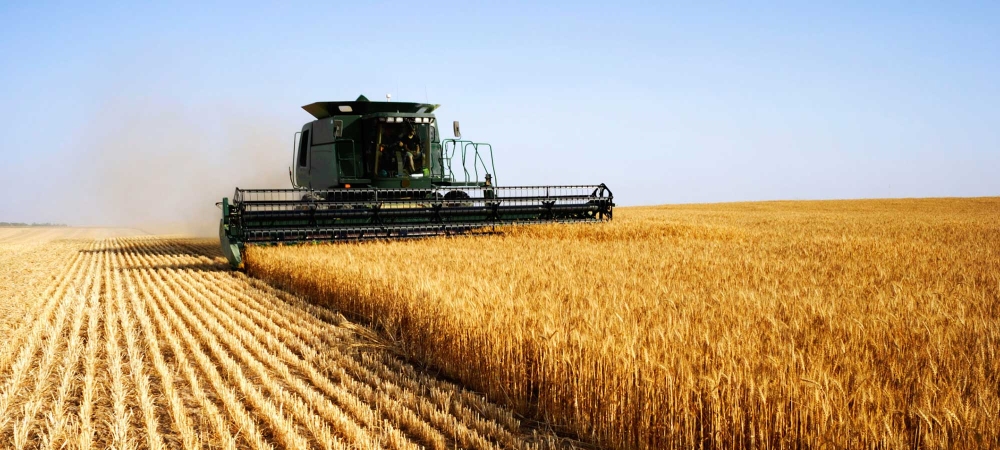
Rising fuel and fertilizer costs are pushing farmers away from wheat, widening pressure on domestic supply and import needs.
Wheat Area Falls Below 500,000 Hectares
South African wheat farmers are expected to plant 486,400 hectares in 2026, a 6% decline from the previous year, according to reports. The figure would mark the smallest planted area since 2015 and the first time in nine years that wheat area falls below 500,000 hectares.
Input Costs Reshape Planting Decisions
The decline reflects mounting cost pressure across the wheat value chain. Fuel and fertilizer account for a major share of grain production costs in South Africa, with fertiliser and diesel together representing a significant burden for wheat farmers.
The pressure has intensified as imported input costs have risen, with wholesale diesel prices in South Africa climbing more than 40% in early April. Preliminary data cited in the reports suggests prices could rise further.
Farmers Warn on Viability
Agriculture Minister John Steenhuisen highlighted the pressure facing producers in key regions.
“Producers in regions such as the Swartland, Overberg, and Southern Cape are clear: under current market and policy conditions, wheat farming is no longer economically viable, and intervention across the value chain is critical,” he said.
The warning underlines how cost pressures are now influencing planting intentions, with farmers shifting away from wheat toward crops offering stronger returns.
Output Decline Deepens Supply Gap
The expected reduction in planted area points to another year of weaker domestic output. South Africa’s wheat production has declined since reaching 2.28 million tons in 2021, falling to 1.89 million tons in 2025. That represents a 17% drop over four years.
As local supply weakens, South Africa is expected to rely more heavily on wheat imports in the 2026/2027 marketing season. The country consumes about 3.6 million tons of wheat annually, based on recent estimates cited in the reports.
Corn Crop May Ease Pressure
A stronger corn harvest could help offset some immediate pressure. The Crop Estimates Committee increased its 2026 corn production estimate by 2% to 16.8 million tonnes, with indications that this could be the largest crop on record.
However, risks remain for food prices, particularly as cereal products account for 4% of South Africa’s inflation basket.
For more stories of agriculture and trade from across the region, visit our dedicated archives and follow us on LinkedIn.