

Close Menu
    What's Hot

    AfDB Report Highlights African Trade Finance Resilience

    May 29, 2026

    South Africa Wheat Plantings Set to Hit 11-Year Low

    May 28, 2026

    Winich Farms Builds Financial Infrastructure for Nigeria’s Agricultural Value Chains

    May 27, 2026
    Gulf Africa ReviewGulf Africa Review
    • Industry
    • Infrastructure
      1. Airport
      2. Hospitality
      3. Ports
      4. Power
      5. Rail
      6. Roads
      7. Transport
      Featured

      Osun seeks to capitalise on infrastructure momentum

      Infrastructure May 21, 2018
      Recent

      APPO & ARDA Signal New Push for Africa’s Downstream Integration

      April 15, 2026

      Africa Air Cargo Growth Driven by Perishables and Trade Shifts

      April 10, 2026

      GoSwap Secures Seed Funding to Expand EV Battery Swapping Network in Morocco

      April 3, 2026
    • Business & Trade
      1. Agri-Business
      2. Entrepreneurship
      3. FDI
      4. Legislative
      5. MEA
      6. Telecoms
      7. Properties
      Featured

      Analysts predict bullish future for Nigeria’s REITs market

      Business Business & Trade January 21, 2018
      Recent

      AfDB Report Highlights African Trade Finance Resilience

      May 29, 2026

      Oman Launches Angola Investment Bank to Deepen Africa-Middle East Trade

      April 22, 2026

      Middle East Crisis Pressures African SMEs

      April 20, 2026
    • Finance
      1. Banking
      2. Islamic finance
      Featured

      Littlefish Raises $9.5 Million to Expand Merchant Infrastructure for African Banks

      Business & Trade Finance Infrastructure March 25, 2026
      Recent

      Littlefish Raises $9.5 Million to Expand Merchant Infrastructure for African Banks

      March 25, 2026

      India Exim $40mn Credit Line for West African Development

      August 27, 2025

      AfDB Anchors $500M Financing for Ethiopia’s “Mega-Airport”

      August 13, 2025
    • Innovation
    Gulf Africa ReviewGulf Africa Review
    Trade Finance

    AfDB Report Highlights African Trade Finance Resilience

    May 29, 20263 Mins Read
    Facebook Twitter Pinterest LinkedIn Tumblr Email
    trade finance
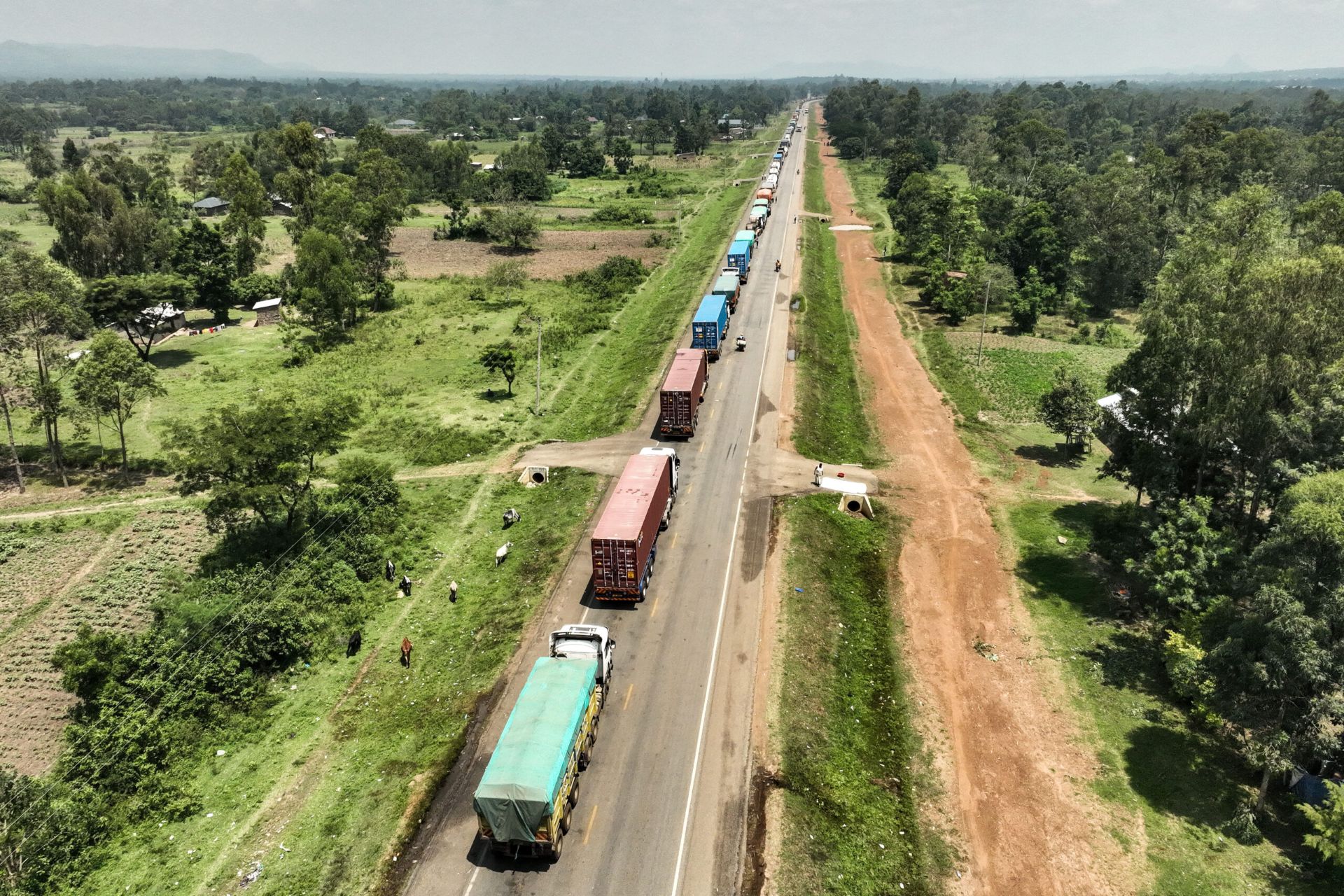
    Renewed geopolitical tensions and disruptions to global supply chains and trade flows could reverse post-pandemic progress in narrowing the trade finance gap.
    Share
    Facebook Twitter LinkedIn Pinterest Email

    AfDB’s 2025 Trade Finance Report highlights resilient African financial institutions while warning the financing gap could exceed $100 billion.

    African financial institutions have demonstrated resilience in the years following the Covid-19 pandemic, although significant challenges remain, according to the African Development Bank’s 2025 Trade Finance Report.

    Released during the Bank Group’s 2026 Annual Meetings in Brazzaville, Republic of Congo, the report assesses Africa’s trade finance landscape between 2020 and 2024. It examines the situation from a bank-intermediation perspective while introducing new areas of analysis, including digitalisation, environmental sustainability and the role of Development Finance Institutions (DFIs).

    The full report can be read here.

    Trade Finance Gap Narrows

    Presenting the report, Anthony Simpasa, Director of the Macroeconomic Policy, Forecasting and Research Department at the African Development Bank, said unmet demand for trade finance declined by nearly 10% between 2019 and 2024.

    According to the report, Africa’s the finance gap ranged between $74 billion and $92 billion in 2024, with the lower estimate representing 5.4% of the continent’s total merchandise trade value.

    Simpasa noted that interventions from multilateral development banks, governments, export credit agencies and global banks helped sustain trade flows during the period.

    “Renewed geopolitical tensions and disruptions to global supply chains and trade flows could reverse post-pandemic progress in narrowing the trade finance gap. For instance, tighter correspondent risk appetite could widen the gap to $86.6-$102.6 billion by 2027 under a moderate to severe scenario. This is at least 17.7 % above the 2024 level, potentially erasing a decade of gains,” Simpasa cautioned.

    Intra-African Trade Shows Strong Growth

    The report found that commercial banks intermediated an average of 23% of Africa’s total trade between 2020 and 2024, down from 40% during the 2011–2019 period.

    At the same time, intra-African trade accounted for 34% of total bank-intermediated trade, representing an 89% increase compared with pre-pandemic levels.

    Foreign exchange liquidity shortages emerged as the leading constraint to trade finance growth, with 36% of surveyed banks identifying limited access to foreign currency as their primary challenge.

    Digital Adoption Remains Limited

    Despite growing interest in trade finance innovation, adoption remains relatively low. Only 28% of surveyed banks reported using digital tools or platforms in their operations, with high implementation costs and limited technological infrastructure cited as key barriers.

    During a panel discussion following the report launch, industry leaders highlighted opportunities to expand access to financing across the continent.

    “New African Financial Architecture for Development (NAFAD) gives us, for the first time, a coherent continental framework to close the trade finance gap — not project by project, but systemically. That is the shift that changes everything for African SMEs,” said Didier Acouetey, Senior Advisor to African Development Bank President Sidi Ould Tah for the Private Sector.

    DFIs Continue to Play a Critical Role

    The report highlights the importance of Development Finance Institutions in supporting African trade. DFIs facilitated approximately $32 billion in trade finance annually between 2020 and 2024, accounting for around 3% of Africa’s total merchandise trade on average during the period.

    Admassu Tadesse, Group President and Managing Director of Trade and Development Bank, said innovation and collaboration will be key to closing the financing gap. “This should be advanced further by new systemic initiatives such as NAFAD and related thrusts such as derisking and smart partnerships that should multiply the impact of African capital and unlock more global capital,” he said.

    For more information on African trade, visit our dedicated archives and follow us on LinkedIn.

    2025 Trade Finance Report AfDB trade trade finance
    Share. Facebook Twitter Pinterest LinkedIn Tumblr Telegram Email
    Previous ArticleSouth Africa Wheat Plantings Set to Hit 11-Year Low

    Related Posts

    Industry

    Morocco Becomes Africa’s Leading Industrial Economy

    May 27, 2026
    Trade

    Kenya, Morocco and Nigeria Lead ADAPT Digital Trade Rollout

    May 22, 2026
    Business & Trade

    Oman Launches Angola Investment Bank to Deepen Africa-Middle East Trade

    April 22, 2026
    Add A Comment
    Leave A Reply Cancel Reply

    LATEST STORIES

    AfDB Report Highlights African Trade Finance Resilience

    May 29, 2026

    South Africa Wheat Plantings Set to Hit 11-Year Low

    May 28, 2026

    Winich Farms Builds Financial Infrastructure for Nigeria’s Agricultural Value Chains

    May 27, 2026

    Morocco Becomes Africa’s Leading Industrial Economy

    May 27, 2026

    South African Poultry Industry Takes US Chicken Import Quota Fight to Court

    May 25, 2026
    • Business
      • Agri-Business
      • Entrepreneurship
      • FDI
      • Legislative
      • MEA
      • Properties
      • Telecoms
    • Infrastructure
      • Airport
      • Hospitality
      • Ports
      • Power
      • Rail
      • Roads
      • Transport
    • Finance
      • Banking
      • Islamic finance
    • Commodities
      • Agri commodities
      • Metals & minerals
      • Precious metals
    • Culture & Society
      • Education
      • Energy
    GAR logo
    © GulfAfricaReview.com 2014-2022, All Rights Reserved.

    Gulf Africa Review is a trade news and future networking platform for businesses leaders and trade organisations, established to first inform and secondly assist in facilitating the ongoing business and trade relations between the Gulf Cooperation Council countries and Sub-Saharan Africa. We aim to provide an apolitical voice for this channel of economic activity in a way that benefits both geographies by improving the availability of information about market events, developments and opportunities, while publicising the successes achieved by this ever-broadening regional relationship.

      Subscribe to our newsletter

      Type above and press Enter to search. Press Esc to cancel.