

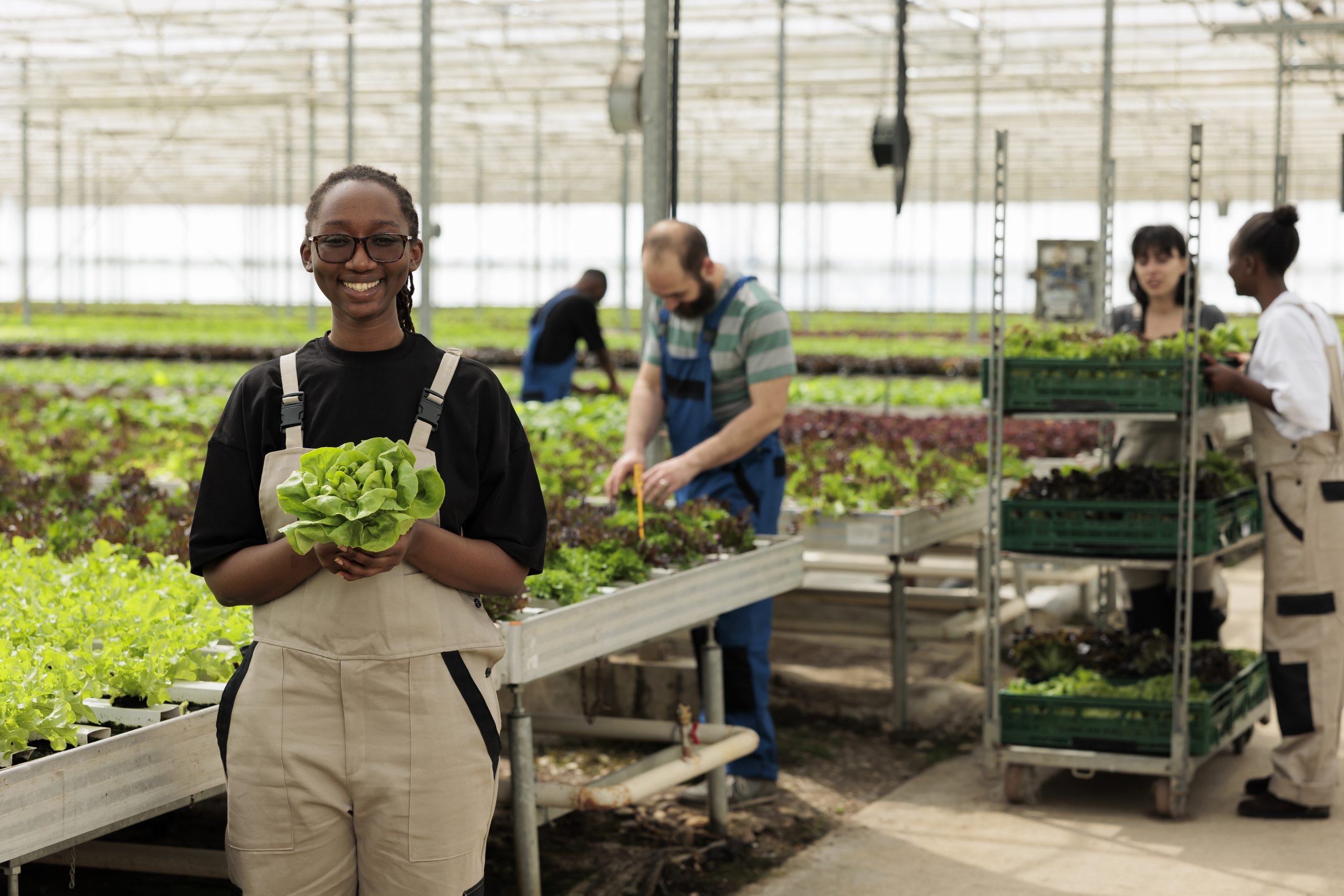
Youth Month has sharpened focus on land, finance, skills, technology and sustainable farming models as South Africa looks to build its next generation of agricultural producers.
Youth Agriculture Moves into Focus
South Africa’s Youth Month has placed renewed attention on the role young people can play in agriculture, from farming and agro-processing to technology-led production and food security.
According to reporting, the message across the sector is increasingly clear: youth participation is not only a social priority, but also a business and development issue for South African agriculture.
Maile Matsimela, digital editor at African Farming, writes that young South Africans face “economic battles”, including unemployment, poverty, food insecurity and limited access to opportunities. For those in agriculture, he argues, “Young farmer, sharpen up your farming spear.”
From Perception Shift to Business Opportunity
Matsimela points to a change in how young people view the sector, noting that more young faces are appearing at farmers’ days, agricultural expos and industry gatherings.
“I meet young people who no longer view agriculture as dirty work or a last resort for those who have failed elsewhere,” he writes. “Instead, they see it for what it truly is: a business, a career and a pathway to generational prosperity.”
That shift is important for an industry that still faces major barriers to youth entry. Land Bank Acting CEO Jabu Mphambo says, “Youth participation is essential to the future of South African agriculture. Young people bring new ideas, technological fluency and entrepreneurial drive – qualities that are critical for building a modern, competitive and sustainable agricultural sector.”
Barriers Remain Significant
Access to land remains one of the biggest obstacles for aspiring young farmers, while access to finance is another major challenge. Many young entrepreneurs lack the collateral, credit history or assets required by traditional financing models.
Skills development and mentorship are also limiting youth participation, with many young South Africans having limited exposure to agriculture as a career or access to practical training and experienced mentors.
Matsimela argues that young people in farming and agro-processing must organize through “associations, cooperatives and networks” and demand support, funding, training and market access. “No one will care more about the future of young farmers than young farmers themselves,” he writes.
Technology and Sustainable Production
Technology is also reshaping the opportunity. Matsimela notes that smartphones, artificial intelligence, social media, drones, precision farming, digital marketplaces and online learning platforms can help young farmers access information, customers and opportunities.
In schools, aquaponics is emerging as another route into agriculture. Unathi Sihlahla, director at INMED South Africa, says “aquaponics speaks to a number of challenges… including limited access to nutritious food, high youth unemployment, water scarcity, and in many cases, poor or no access to arable land.”
The model does not require soil, chemical fertilisers or large tracts of land, and uses recirculated water. “We’ve seen schools that previously had no food production now able to grow vegetables consistently, while also producing fish. That food often goes straight into school meals or supports vulnerable households nearby,” Sihlahla says.
Building Pathways into the Sector
Land Bank is supporting emerging and young farmers through initiatives including its Farmers Academy, which provides practical training, mentorship, business management skills and exposure to modern agricultural practices. It is also expanding access to finance through blended finance solutions, tailored funding instruments and partnerships across the agricultural value chain.
For policymakers, financiers and agricultural institutions, the priority is now to connect youth ambition with land, finance, training, markets and technology. As Matsimela writes, “Youth Day should not only be a day of remembrance. It should be a day of commitment.”
For more information on African agriculture, visit our dedicated archives and follow us on LinkedIn.
1 Comment
https://shorturl.fm/0pkMm