

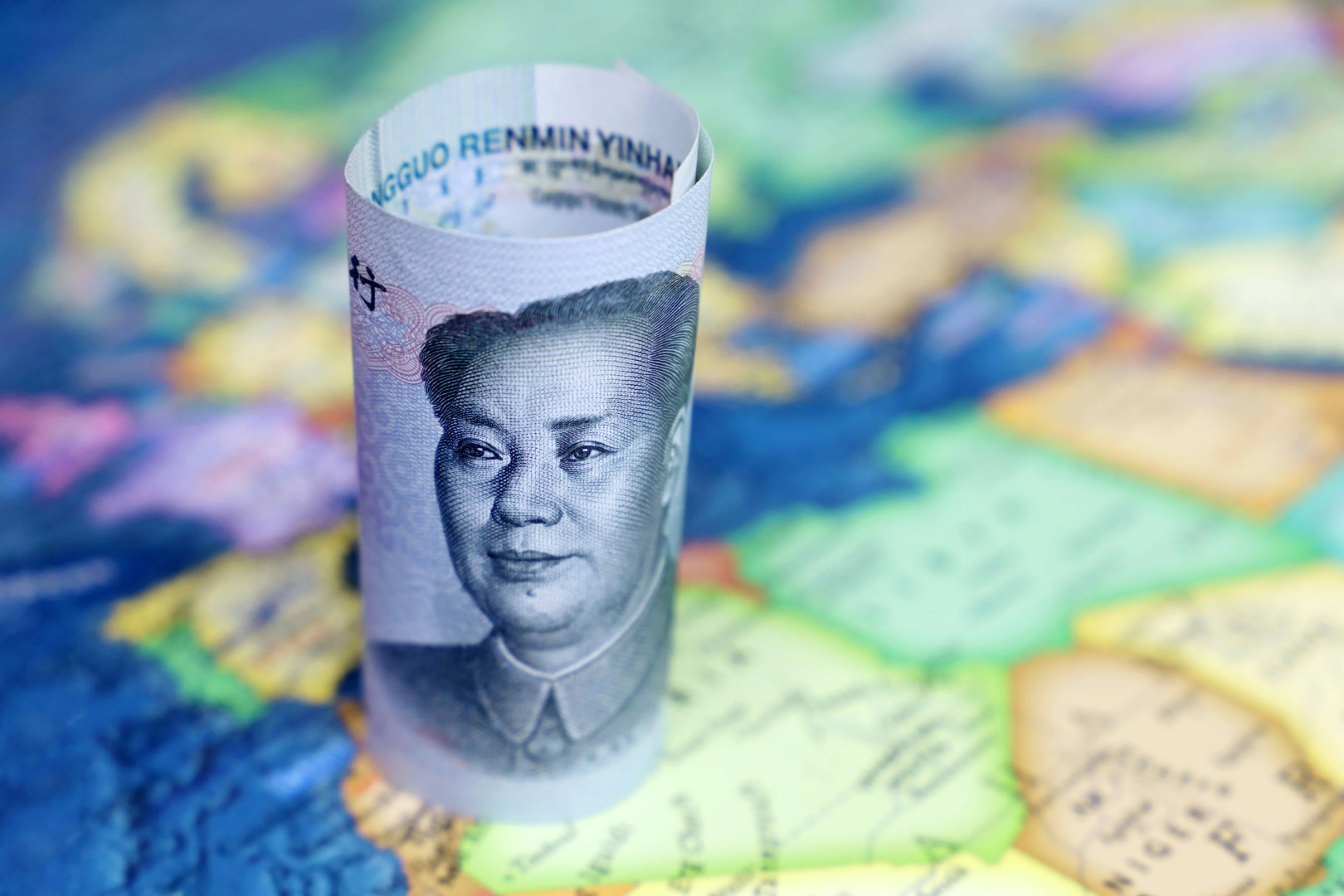
China’s removal of tariffs on most African countries is expected to deepen trade flows while encouraging wider yuan settlement across the continent.
Tariff Removals Support Trade Growth
China’s removal of tariffs on most African countries is expected to increase the use of the yuan in trade settlements, as rising China-Africa trade strengthens demand for alternative payment channels.
The shift follows China’s decision to remove all tariffs on imports from 53 African nations on May 1. China-Africa trade rose by nearly 18% last year, while tariff cuts are expected to increase trade flows and yuan-denominated settlements.
The development also supports Beijing’s broader effort to internationalize its currency and build alternatives to Western finance. International Monetary Fund research cited in the report found that yuan usage rises with trade exposure to China.
African Exports Enter Chinese Ports
From Nigerian cattle bone pellets to Kenyan avocado oil and South African apples, Chinese ports are receiving more African cargo following the tariff elimination. This is increasing demand for settlement from yuan into local African currencies.
While reliable data on Africa’s yuan use remains limited, the increase in trade is being reinforced by new payment platforms and by some countries converting debt into lower-cost currencies.
Standard Chartered Kenya CEO Birju Sanghrajka said yuan transactions are growing, while noting that the currency is not yet displacing the dollar. “We see it as complementary.”
Payment Systems Expand
South Africa’s Standard Bank became the first African commercial bank to connect to China’s Cross-Border Interbank Payment System in November. The bank processed $500 million in the first four months.
Standard Bank CIB’s head of sales for transactional banking, Ives Yang, said the transactions have mainly been driven by import and export activity between China and Africa.
Standard Chartered Kenya has also started issuing yuan-denominated letters of credit, allowing Kenyan customers to secure discounts by avoiding dollar conversion costs.
Muda Yusuf, CEO of the Centre for the Promotion of Private Enterprise in Nigeria, said China is promoting yuan settlement. “When you export to them, you are paid in yuan,” Yusuf said.
Debt, Trade and Currency Costs
The African Export-Import Bank, which signed a deal last year to link to CIPS, said China accounts for 20% of Africa’s external trade, compared with 5% two decades ago.
Togo-based Ecobank and Bank of China are also working to launch a settlement product between the yuan and local currencies this year.
For businesses, the shift may reduce foreign exchange exposure. Chinese national Qu Ming, owner of Kenya-based Sanmark Limited, said a move from dollar-based transactions to yuan payments would support the avocado oil processor. “It will help us because of the exchange rate,” Qu said.
Kenya Shows Export Momentum
Kenya’s avocado exports to China have risen from 10 to 20 containers a week in 2022 to about 200, with volumes projected to reach 1,000 by 2030.
At his packing facility outside Nairobi, Sunripe managing director Thiku Shah predicted that China could overtake Europe between 2030 and 2035. He said Kenya’s move towards yuan-denominated financing could accelerate wider adoption in trade.
For more information on African trade, visit our dedicated archives and follow us on LinkedIn.
1 Comment
https://shorturl.fm/0FB0T