

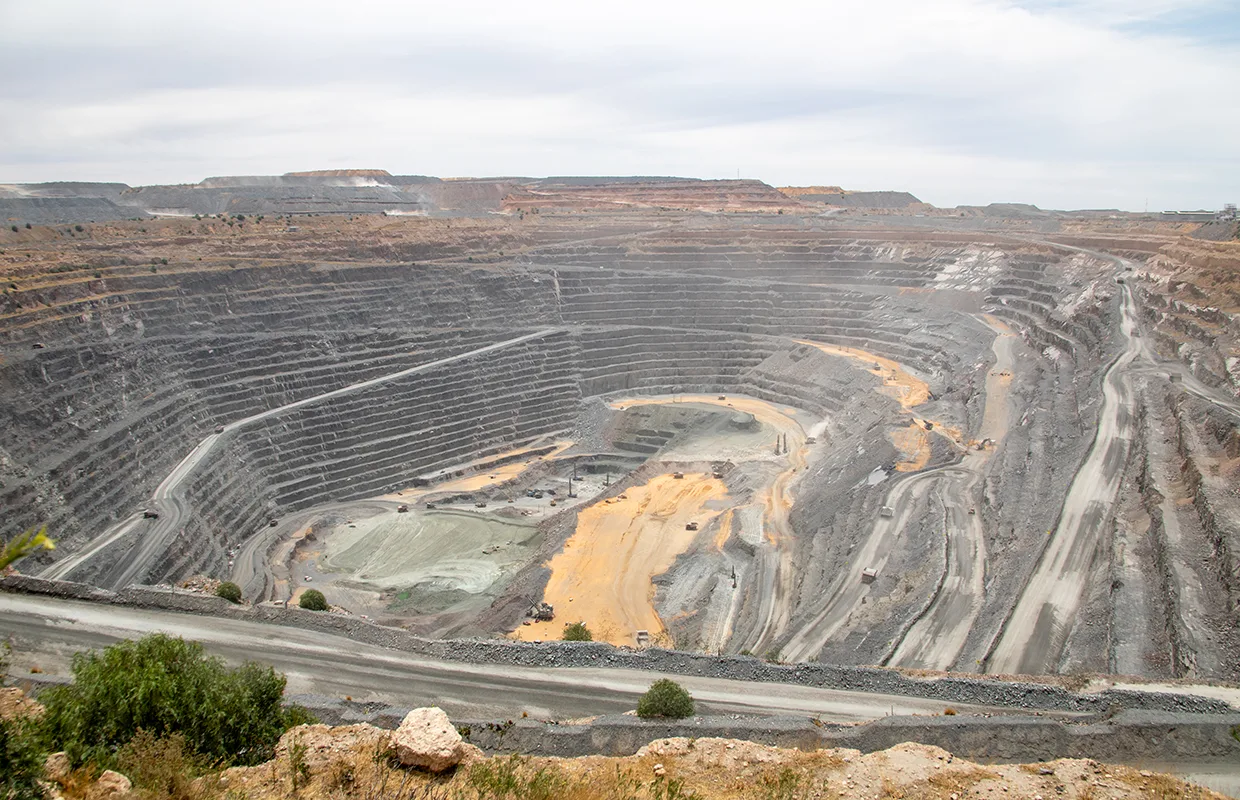
A cautious recovery in demand, higher Debswana production and cost-cutting plans point to a fragile but important rebound for Botswana’s diamond-led economy.
A Cautious Recovery in Diamond Demand
Botswana is seeing early signs of improvement in diamond demand, with key consumer markets such as the US and China showing a “soft recovery”. For a country where diamonds typically contribute about a third of national revenue, the shift is being watched closely by policymakers, investors and mining operators.
Mines Minister Bogolo Joy Kenewendo said the improvement was being supported in part by a global marketing campaign for natural diamonds. However, her comments also pointed to continued caution, with Botswana maintaining supply discipline despite signs of recovery.
“We have pushed through what was inventory in Botswana and we are now focusing on managing our run-of-mine,” said Kenewendo, adding: “We are going to continue to be disciplined. We were happy to do so because everything in the market is about some level of discipline on our side.”
Debswana Targets Higher Output
Given the current state of the market, Debswana Diamond Company is planning to raise diamond output by about 20% this year, in a move that could support Botswana’s wider economic recovery after a prolonged downturn in the global diamond market.
The company, a joint venture between the Botswana government and De Beers, plans to increase production to 18 million carats in 2026, up from 15 million carats last year. Production had been cut sharply in response to weak demand.
Thato Mokoti, the Botswana central bank’s deputy director for research and financial stability, told a press briefing: “[The increase in production] is what would be driving the economy this year.”
Economic Recovery Hinges on Diamonds
The planned increase comes after Debswana reduced output by 16% last year, while Botswana’s broader economy contracted for two consecutive years. The downturn in the diamond market, which began in 2023, has been linked to economic uncertainty and rising competition from lab-grown stones.
In February, Finance Minister Ndaba Gaolathe said Botswana’s economy was expected to rebound to growth of 3.1% in 2026, with the recovery hinging largely on improved diamond production and demand.
Diamonds typically account for about a third of Botswana’s fiscal revenues and roughly three-quarters of its foreign exchange earnings, leaving the economy highly exposed to shifts in global demand.
Cost Cuts and Operational Discipline
Alongside higher output, Debswana is also working to reduce costs. Managing Director Andrew Motsumi told the media that the company is restructuring to become leaner and more efficient, with plans to cut annual operating costs by a third to 6 billion pula, or $416 million, by 2028.
Before the downturn, Debswana typically produced about 24 million carats a year. Its planned 2026 production increase therefore signals recovery, but not yet a return to previous output levels.
De Beers Sale Talks Continue
The recovery also comes as Anglo American continues efforts to sell De Beers as part of a wider restructuring. Botswana already holds a 15% stake, and Kenewendo said negotiations were in the “last stages,” without providing further details because of confidentiality clauses tied to the talks.
Angola is also seeking a stake in De Beers. Angolan mines minister Diamantino Pedro Azevedo told Reuters on Monday that the government was looking for “a percentage that gives us a say in strategic matters,” adding that there was “perfect alignment” with Botswana over the De Beers sale.
De Beers CEO Al Cook said last week that a deal could be reached within weeks, with the company’s future ownership expected to take the form of a public-private partnership.
Reuters has previously reported that two consortia remain in the running for stakes in De Beers, down from six in 2025. According to the sources cited, the remaining groups include governments from diamond-producing countries, former De Beers CEO Gareth Penny, who is now chair of asset manager Ninety One, a Qatari investment fund, and Israeli businessman Nir Livnat.
For Botswana, the current moment is therefore one of guarded optimism: demand is improving, production is set to rise, and Debswana is pushing for efficiency. But official comments suggest that discipline remains central to the country’s approach as the global diamond sector continues to adjust.
For more information on African mining, visit our dedicated archives and follow us on LinkedIn.