

Close Menu
    What's Hot

    Navigating Bets with Ease on an Unexpectedly Streamlined Platform

    August 8, 2026

    Test Post Created

    August 8, 2026

    AfCFTA Awards $3.1bn Customs Modernization Project to Nigerian Technology Firm

    August 7, 2026
    Gulf Africa ReviewGulf Africa Review
    • Industry
    • Infrastructure
      1. Airport
      2. Hospitality
      3. Ports
      4. Power
      5. Rail
      6. Roads
      7. Transport
      Featured

      Osun seeks to capitalise on infrastructure momentum

      Infrastructure May 21, 2018
      Recent

      Afreximbank Approves $200 Million for Algeria Oilfield Development

      July 22, 2026

      Kenya Aims for Mineral Value Addition to Strengthen Regional Trade

      July 10, 2026

      APPO & ARDA Signal New Push for Africa’s Downstream Integration

      April 15, 2026
    • Business & Trade
      1. Agri-Business
      2. Entrepreneurship
      3. FDI
      4. Legislative
      5. MEA
      6. Telecoms
      7. Properties
      Featured

      Analysts predict bullish future for Nigeria’s REITs market

      Business Business & Trade January 21, 2018
      Recent

      AfCFTA Awards $3.1bn Customs Modernization Project to Nigerian Technology Firm

      August 7, 2026

      China-Africa Trade Reaches Record $197 Billion in First Half of 2026

      July 29, 2026

      Regional Transit Guarantee and Finance Reform Could Boost Intra-African Trade

      July 24, 2026
    • Finance
      1. Banking
      2. Islamic finance
      Featured

      Littlefish Raises $9.5 Million to Expand Merchant Infrastructure for African Banks

      Business & Trade Finance Infrastructure March 25, 2026
      Recent

      Littlefish Raises $9.5 Million to Expand Merchant Infrastructure for African Banks

      March 25, 2026

      India Exim $40mn Credit Line for West African Development

      August 27, 2025

      AfDB Anchors $500M Financing for Ethiopia’s “Mega-Airport”

      August 13, 2025
    • Innovation
    Gulf Africa ReviewGulf Africa Review
    Business & Trade

    Experts Discuss Special Economic Zones to Boost African Trade

    January 24, 20253 Mins Read
    Facebook Twitter Pinterest LinkedIn Tumblr Email
    Special Economic Zones
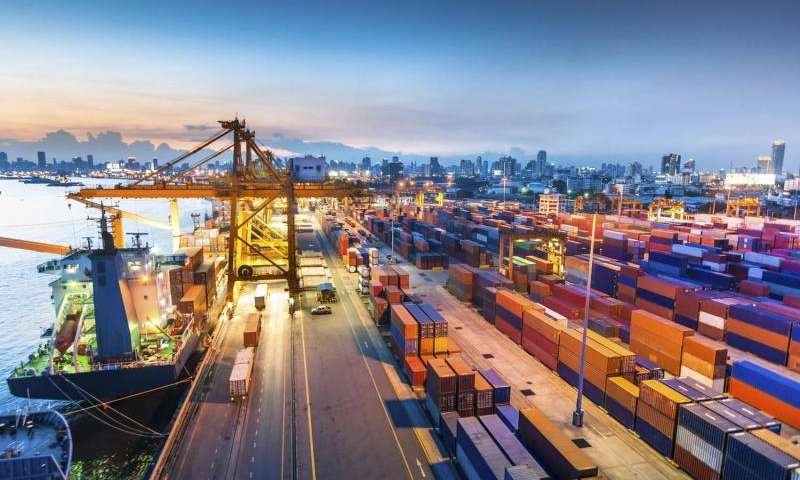
    Special Economic Zones could be key to spurring intra-African trade.
    Share
    Facebook Twitter LinkedIn Pinterest Email

    Cameroon’s Douala hosts talks on advancing Special Economic Zones to enhance trade and investment in Central Africa, with a focus on economic diversification.

    Douala Hosts Strategic Talks on Economic Zones

    Douala, Cameroon, recently became the focal point for discussions on advancing Special Economic Zones (SEZs) in Central Africa. The gathering, spearheaded by the United Nations Economic Commission for Africa (UNECA), highlighted the region’s ambitions to leverage SEZs to spur economic diversification and attract foreign direct investment (FDI).

    Organized by the United Nations Economic Commission for Africa (UNECA) Sub-Regional Office for Central Africa, in collaboration with the African Union, the African Development Bank, UNIDO, and UNDP, the event concluded yesterday.

    Central Africa’s economies, traditionally reliant on extractive industries, are seeking innovative strategies to overcome structural challenges and unlock their growth potential. Jean Luc Mastaki, director of UNECA’s Sub-Regional Office for Central Africa, highlighted the sub-region’s rich natural resources, emphasizing the need to process them locally to accelerate industrialization and diversification. Developing next-generation SEZs is considered a key step in achieving this objective.

    Unlocking Economic Potential Through SEZs

    The event in Douala underscored the importance of SEZs as catalysts for trade and industrial development. UNECA experts and regional stakeholders explored ways to harmonize SEZ frameworks across Central Africa to maximize their impact. By creating hubs of economic activity, SEZs can attract investors, encourage export-oriented industries, and generate employment opportunities.

    Additionally, discussions emphasized the need to integrate SEZs into regional value chains, ensuring they serve not only national interests but also strengthen trade ties within Central Africa. Harmonized policies and coordinated efforts among member states were identified as key enablers of this regional integration.

    Overcoming Barriers to Implementation

    While the promise of SEZs is significant, challenges remain. Infrastructure deficits, regulatory inconsistencies, and limited access to financing pose barriers to SEZ development in the region. The Douala discussions highlighted the importance of public-private partnerships (PPPs) to address these issues.

    Experts also stressed the need for capacity building and knowledge sharing among stakeholders. Governments were urged to adopt investor-friendly policies, streamline bureaucratic processes, and improve transparency to make SEZs more attractive to global investors.

    Aligning SEZs with Regional Development Goals

    The advancement of SEZs in Central Africa aligns with the region’s broader development goals, including those outlined in the African Continental Free Trade Area (AfCFTA). By enhancing the competitiveness of local industries, SEZs can enable countries to take full advantage of AfCFTA’s trade opportunities.

    The Douala talks concluded with a call for stronger collaboration among governments, international organizations, and private sector players to ensure that SEZs drive inclusive economic growth. By fostering innovation and diversifying economic activities, SEZs have the potential to transform Central Africa into a competitive trade hub.

    The discussions in Douala have set the stage for a renewed focus on Special Economic Zones in Central Africa. With strategic implementation and regional collaboration, SEZs could become a cornerstone for unlocking the region’s economic potential and achieving sustainable growth.

    For more stories around African trade, visit our dedicated archives.

    Special Economic Zones trade
    Share. Facebook Twitter Pinterest LinkedIn Tumblr Telegram Email
    Previous ArticleNigeria Begins AfCFTA Exports to Kenya
    Next Article Payment Orchestration Platform MoneyHash Secures $5.2M in Pre-Series A Funding

    Related Posts

    Business & Trade

    AfCFTA Awards $3.1bn Customs Modernization Project to Nigerian Technology Firm

    August 7, 2026
    Logistics Trade

    SAFLA and AMIE SA Join Forces on Meat Trade Logistics

    August 5, 2026
    Business Business & Trade Trade

    China-Africa Trade Reaches Record $197 Billion in First Half of 2026

    July 29, 2026
    Add A Comment
    Leave A Reply Cancel Reply

    LATEST STORIES

    Navigating Bets with Ease on an Unexpectedly Streamlined Platform

    August 8, 2026

    Test Post Created

    August 8, 2026

    AfCFTA Awards $3.1bn Customs Modernization Project to Nigerian Technology Firm

    August 7, 2026

    SAFLA and AMIE SA Join Forces on Meat Trade Logistics

    August 5, 2026

    GT Lines Launches UAE–Tanzania Shipping Service to Strengthen Gulf–East Africa Trade

    July 31, 2026
    • Business
      • Agri-Business
      • Entrepreneurship
      • FDI
      • Legislative
      • MEA
      • Properties
      • Telecoms
    • Infrastructure
      • Airport
      • Hospitality
      • Ports
      • Power
      • Rail
      • Roads
      • Transport
    • Finance
      • Banking
      • Islamic finance
    • Commodities
      • Agri commodities
      • Metals & minerals
      • Precious metals
    • Culture & Society
      • Education
      • Energy
    GAR logo
    © GulfAfricaReview.com 2014-2022, All Rights Reserved.

    Gulf Africa Review is a trade news and future networking platform for businesses leaders and trade organisations, established to first inform and secondly assist in facilitating the ongoing business and trade relations between the Gulf Cooperation Council countries and Sub-Saharan Africa. We aim to provide an apolitical voice for this channel of economic activity in a way that benefits both geographies by improving the availability of information about market events, developments and opportunities, while publicising the successes achieved by this ever-broadening regional relationship.

      Subscribe to our newsletter

      Type above and press Enter to search. Press Esc to cancel.