

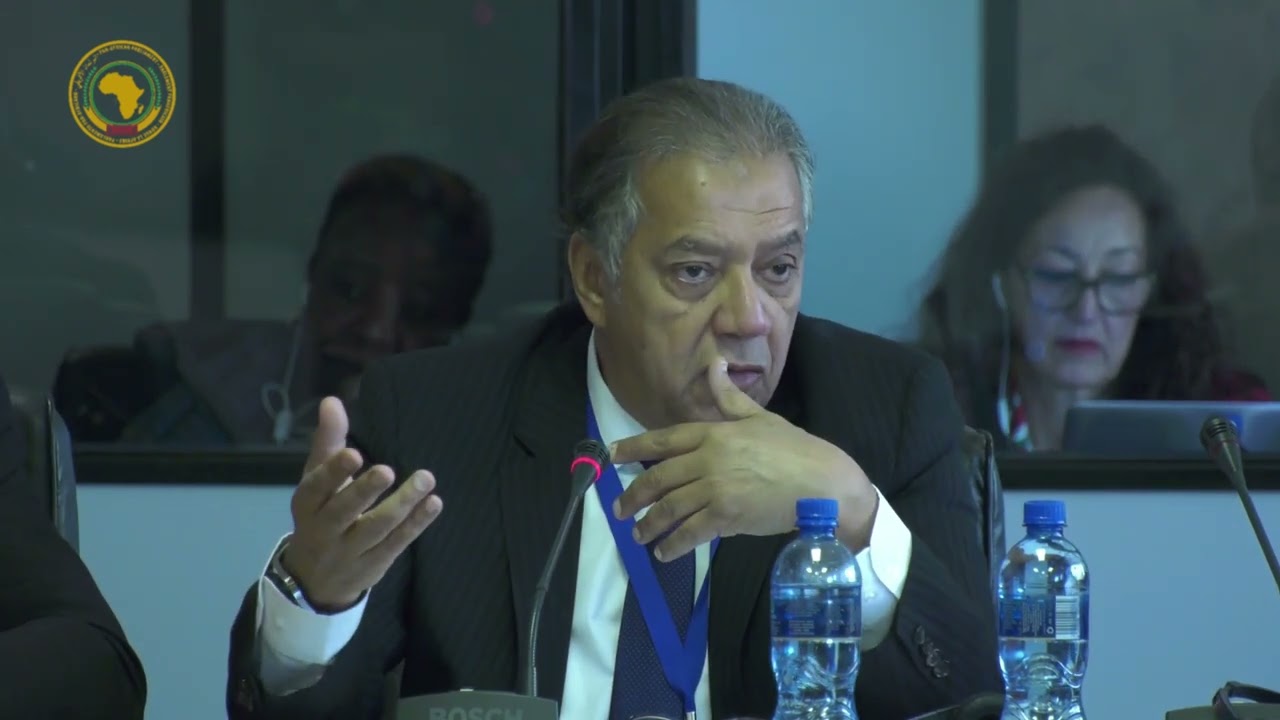
Officials warn infrastructure fragmentation and inconsistent technical standards undermine Africa’s trade integration.
Infrastructure Gaps Undermine AfCFTA Goals
At the Egyptian‑African Economic Conference in Cairo, senior diplomats and officials warned that poor logistics, fragmented infrastructure and a lack of “technical sovereignty” are crippling the progress of the African Continental Free Trade Area (AfCFTA) and slowing trade integration.
Officials claimed that Africa remains “physically divided”, a result of reliance on external actors for infrastructure planning rather than coordinated, continent-wide development efforts.
Technical Sovereignty: A Critical Missing Link
Speaking during the conference, Mohamadou Labarang, Cameroon’s Ambassador to Egypt and Dean of African Ambassadors in Cairo, urged African governments to conduct feasibility studies domestically instead of outsourcing them to foreign partners whose interests may not align with African unity.
He described inconsistent technical standards across borders as a major barrier: “The standards used in one country are different from the standards in the other,” Labarang warned, a discrepancy that, he said, frequently prevents cross-border movement of goods.
Egypt’s Exporters Face Logistical Isolation
Sherif El-Gebaly, Chairman of the African Affairs Committee in the Egyptian House of Representatives, criticized Egypt’s current trade posture with Africa as overly political rather than commercial. He said: “It is not possible to work with Africa by email or electronically. You have to be on the ground there.”
El-Gebaly added that Egyptian exporters often face jarring inefficiencies. For example, goods bound for Tanzania are frequently routed via the UAE’s Jebel Ali port because of a lack of direct maritime lines, contributing to shipping times of 50 days or more, which he warned makes African goods uncompetitive compared with Asian imports.
A Call for Ground-Up Integration, Not Paper Promises
In the view of Egypt’s Deputy Assistant Foreign Minister for African Affairs, Karim Sherif, achieving meaningful intra-African trade requires more than diplomatic agreements. He stressed that Africa must address security, saying, “We have to face security challenges, and Egypt pays attention to having African solutions to the African problems,” noting that investment cannot flourish amidst armed conflict.
The conference’s broader message: Without harmonized technical standards, robust infrastructure, and cohesive national coordination, rather than fragmented institutions, the AfCFTA’s ambition of a unified African market could remain more symbolic than real.
For more stories of trade from across Africa, visit our dedicated archives.