

Close Menu
    What's Hot

    South Africa Agricultural Trade Surplus Hits Q1 Record

    June 10, 2026

    Tanzania Seeks Stronger Nigeria Trade Ties at FAB 2026 Exhibition

    June 8, 2026

    South Africa and Kenya Sign New Trade Agreements to Deepen Cooperation

    June 5, 2026
    Gulf Africa ReviewGulf Africa Review
    • Industry
    • Infrastructure
      1. Airport
      2. Hospitality
      3. Ports
      4. Power
      5. Rail
      6. Roads
      7. Transport
      Featured

      Osun seeks to capitalise on infrastructure momentum

      Infrastructure May 21, 2018
      Recent

      APPO & ARDA Signal New Push for Africa’s Downstream Integration

      April 15, 2026

      Africa Air Cargo Growth Driven by Perishables and Trade Shifts

      April 10, 2026

      GoSwap Secures Seed Funding to Expand EV Battery Swapping Network in Morocco

      April 3, 2026
    • Business & Trade
      1. Agri-Business
      2. Entrepreneurship
      3. FDI
      4. Legislative
      5. MEA
      6. Telecoms
      7. Properties
      Featured

      Analysts predict bullish future for Nigeria’s REITs market

      Business Business & Trade January 21, 2018
      Recent

      Tanzania Seeks Stronger Nigeria Trade Ties at FAB 2026 Exhibition

      June 8, 2026

      South Africa and Kenya Sign New Trade Agreements to Deepen Cooperation

      June 5, 2026

      AfDB Report Highlights African Trade Finance Resilience

      May 29, 2026
    • Finance
      1. Banking
      2. Islamic finance
      Featured

      Littlefish Raises $9.5 Million to Expand Merchant Infrastructure for African Banks

      Business & Trade Finance Infrastructure March 25, 2026
      Recent

      Littlefish Raises $9.5 Million to Expand Merchant Infrastructure for African Banks

      March 25, 2026

      India Exim $40mn Credit Line for West African Development

      August 27, 2025

      AfDB Anchors $500M Financing for Ethiopia’s “Mega-Airport”

      August 13, 2025
    • Innovation
    Gulf Africa ReviewGulf Africa Review
    Agri-Business

    South Africa Agricultural Trade Surplus Hits Q1 Record

    June 10, 20263 Mins Read
    Facebook Twitter Pinterest LinkedIn Tumblr Email
    South Africa agriculture
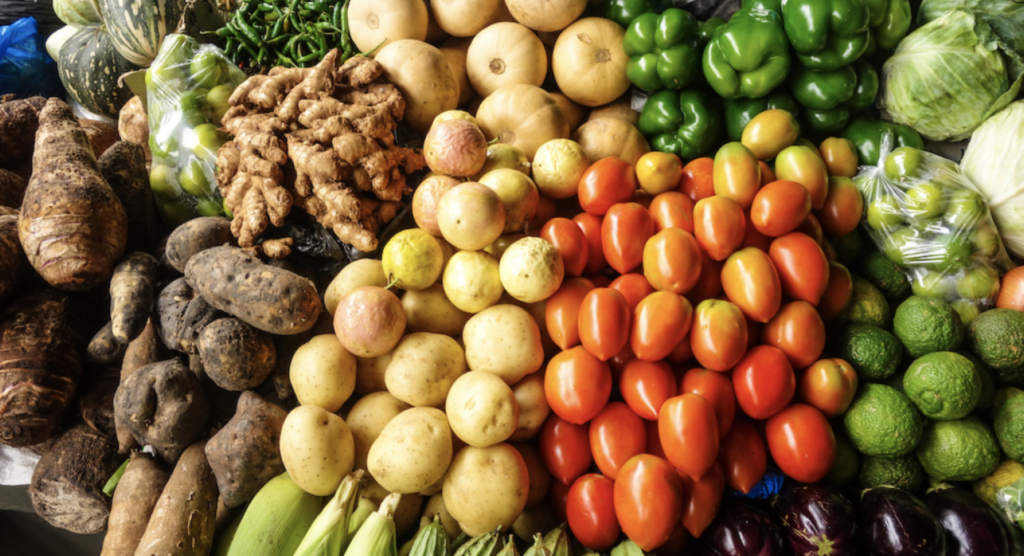
    South Africa’s agricultural sector recorded its highest-ever first-quarter trade surplus in 2026, though challenges remain.
    Share
    Facebook Twitter LinkedIn Pinterest Email

    A US$1.55 billion surplus points to South Africa’s export resilience, but flat export growth, market concentration, and FMD remain concerns.

    Record Surplus Marks Strong Quarter

    South Africa’s agricultural sector recorded its highest-ever first-quarter trade surplus in 2026, reaching US$1.55 billion between January and March, according to a report by AgriSA.

    This represents a 16.1% increase compared with the same period in 2025, underlining the continued competitiveness of South African agriculture in international markets.

    However, the record surplus was not driven by a major expansion in exports. Total agricultural exports reached US$3.30 billion, broadly in line with Q1 2025 levels, while imports declined by 10.6% to US$1.76 billion. This suggests that lower import costs played a central role in strengthening the trade balance.

    Lower Imports Support the Balance

    The improved surplus was achieved primarily through lower import values rather than stronger export earnings. Falling international commodity prices for products such as palm oil, rice, coffee, and frozen fish contributed to the decline in imports.

    For trade-focused investors, the figures point to a mixed picture. The headline surplus confirms the sector’s resilience, but it also highlights the need to build export momentum and develop markets beyond favorable import conditions.

    “The results confirm the resilience and competitiveness of South African agriculture in a complex global trading environment. While the record trade surplus is positive, it also highlights the importance of strengthening export growth, safeguarding market access, and resolving biosecurity challenges such as FMD,” says AgriSA CEO Johann Kotzé.

    Horticulture Leads Export Performance

    Horticulture remained the strongest driver of South Africa’s agricultural export performance, accounting for 55% of all agricultural exports during the quarter.

    Strong performances were recorded across grapes, apples, pears, wine, citrus, berries, and tree nuts. Grapes were the leading agricultural export category, generating US$783 million in export earnings, while horticulture as a whole generated a trade surplus of US$1.66 billion.

    This performance reinforces the role of horticulture in foreign exchange earnings, employment, and market diversification. It also reflects South Africa’s position as a counter-seasonal supplier to Northern Hemisphere markets, particularly in Europe.

    Livestock and US Exports Face Pressure

    Despite the positive overall figures, the sector continues to face structural challenges. Foot-and-mouth disease continues to restrict livestock exports, particularly into high-value Middle Eastern and Asian markets.

    Livestock exports declined by 12.9% in Q1, while fresh beef exports fell by 56.6% and frozen beef exports declined by 26.4%. Export volumes into Middle Eastern markets contracted by between 50% and 95%, depending on the destination.

    Exports to the United States also declined sharply, falling by 39.9% during the quarter. As a result, the US moved from South Africa’s seventh-largest agricultural export destination to 11th position.

    Diversification Remains Central

    The report also points to rising concentration risk. The Netherlands, the UK, and Zimbabwe accounted for nearly 39% of agricultural exports in Q1, while dependence on horticultural exports and European gateway markets remains a potential vulnerability.

    Any disruption to logistics, market access, phytosanitary requirements, or weather conditions could therefore have a disproportionate impact on export performance.

    “Long-term success will depend on our ability to diversify export destinations, maintain trusted trading relationships, and create an enabling environment for producers to remain globally competitive,” Kotzé said.

    The full report can be read here.

    For more information on African agriculture, visit our dedicated archives and follow us on LinkedIn.

    Africa agriculture trade
    Share. Facebook Twitter Pinterest LinkedIn Tumblr Telegram Email
    Previous ArticleTanzania Seeks Stronger Nigeria Trade Ties at FAB 2026 Exhibition

    Related Posts

    Business & Trade Trade

    Tanzania Seeks Stronger Nigeria Trade Ties at FAB 2026 Exhibition

    June 8, 2026
    Business & Trade Logistics

    South Africa and Kenya Sign New Trade Agreements to Deepen Cooperation

    June 5, 2026
    Logistics

    Nigeria, RwandAir Expand AfCFTA Export Routes

    June 2, 2026
    Add A Comment
    Leave A Reply Cancel Reply

    LATEST STORIES

    South Africa Agricultural Trade Surplus Hits Q1 Record

    June 10, 2026

    Tanzania Seeks Stronger Nigeria Trade Ties at FAB 2026 Exhibition

    June 8, 2026

    South Africa and Kenya Sign New Trade Agreements to Deepen Cooperation

    June 5, 2026

    Nigeria, RwandAir Expand AfCFTA Export Routes

    June 2, 2026

    VunaPay Expands Instant Farmer Payments Across Kenya’s Agricultural Value Chains

    June 1, 2026
    • Business
      • Agri-Business
      • Entrepreneurship
      • FDI
      • Legislative
      • MEA
      • Properties
      • Telecoms
    • Infrastructure
      • Airport
      • Hospitality
      • Ports
      • Power
      • Rail
      • Roads
      • Transport
    • Finance
      • Banking
      • Islamic finance
    • Commodities
      • Agri commodities
      • Metals & minerals
      • Precious metals
    • Culture & Society
      • Education
      • Energy
    GAR logo
    © GulfAfricaReview.com 2014-2022, All Rights Reserved.

    Gulf Africa Review is a trade news and future networking platform for businesses leaders and trade organisations, established to first inform and secondly assist in facilitating the ongoing business and trade relations between the Gulf Cooperation Council countries and Sub-Saharan Africa. We aim to provide an apolitical voice for this channel of economic activity in a way that benefits both geographies by improving the availability of information about market events, developments and opportunities, while publicising the successes achieved by this ever-broadening regional relationship.

      Subscribe to our newsletter

      Type above and press Enter to search. Press Esc to cancel.