

Despite tariffs and diplomatic strain, South African exports to the U.S. dramatically increase, even as Washington signals it may treat Pretoria differently under future trade deals.
Surge in U.S.-bound Exports
New data shows that U.S. imports from South Africa climbed 37% over the first ten months of 2025. According to reports, exports destined for the United States rose from R12.4 billion (≈ US$674 million) in January to R17 billion (≈ US$982 million) by October.
This strong growth comes despite steep U.S. tariffs and other trade barriers imposed on South African goods throughout the year.
Tariffs, Barriers But Demand Remains Strong
Earlier in 2025, the administration in Washington introduced a 30% tariff on South African exports, along with other levies affecting sectors such as steel, aluminum, and vehicles.
Speaking following the announcement of the tariffs, South African President Cyril Ramaphosa said his administration would “continue negotiating with the US” and had “submitted a framework deal” to its US counterpart. “In the meantime, government is finalizing a package to support companies that are vulnerable to the reciprocal tariffs.”
Writing following the announcement of the 30% rate, analyst Dylan Govender of Investec viewed the news as an inflection point. According to Govender, the market was already shifting. Delays were increasing, costs climbing, and companies were reworking their models on the fly. The geopolitics was unclear, but the operational message was not: Govender believed that companies would have to move earlier, diversify intelligently, and reinforce resilience.
However, despite the punitive measures, the highest imposed on any sub-Saharan African economy, U.S. buyers appear to have increased their import demand, signaling that at least some South African exporters remain competitive or able to absorb costs.
The Posture Toward South Africa
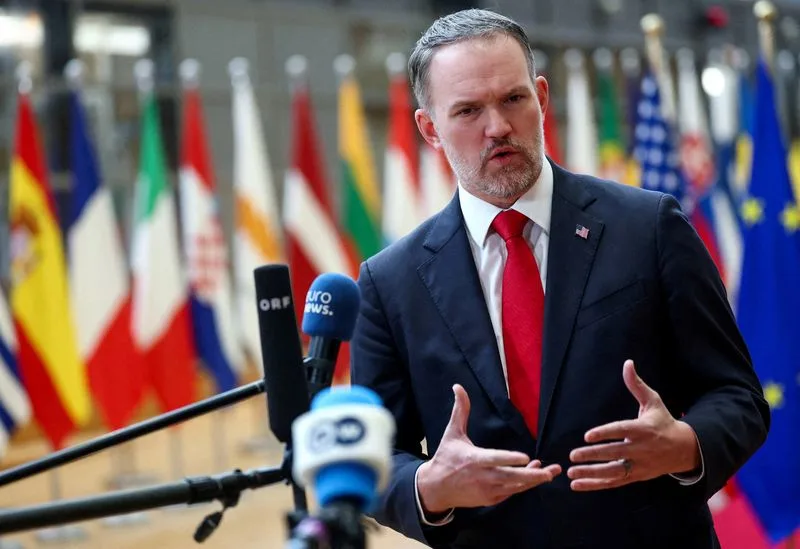
But the export surge may not guarantee smooth sailing ahead. In a recent hearing before a Senate Appropriations subcommittee, Jamieson Greer, U.S. Trade Representative (USTR), said he is “open to treating South Africa differently than other African countries” if any new version of the continental trade initiative African Growth and Opportunity Act (AGOA) is extended.
Greer argued that South Africa remains a “unique problem,” suggesting the country could be excluded from duty-free access unless it lowers tariffs and non-tariff barriers on U.S. goods — a move that could complicate the current upswing in South-to-U.S. shipments.
Tension Between Market Dynamics and Policy Risk
The combined picture shows a paradox: on one side, robust demand for South African exports to the U.S., even under restrictive trade conditions; on the other, mounting policy uncertainty and risk of exclusion from preferential trade frameworks.
For South African businesses and policymakers, the export rebound demonstrates resilience and potential, but the looming threat of differentiated treatment under U.S. trade policy underscores how vulnerable that progress remains to geopolitical shifts.
For more news of African trade, visit our dedicated archives.