

Close Menu
    What's Hot

    Egypt Courts US Investment for Port and Logistics Expansion

    August 24, 2026

    Tanzania & DRC Target Trade Growth Through Infrastructure Links

    August 21, 2026

    Private Rail Investment Accelerates Across Africa’s Critical Mineral Corridors

    August 20, 2026
    Gulf Africa ReviewGulf Africa Review
    • Industry
    • Infrastructure
      1. Airport
      2. Hospitality
      3. Ports
      4. Power
      5. Rail
      6. Roads
      7. Transport
      Featured

      Osun seeks to capitalise on infrastructure momentum

      Infrastructure May 21, 2018
      Recent

      Egypt Courts US Investment for Port and Logistics Expansion

      August 24, 2026

      Tanzania & DRC Target Trade Growth Through Infrastructure Links

      August 21, 2026

      Private Rail Investment Accelerates Across Africa’s Critical Mineral Corridors

      August 20, 2026
    • Business & Trade
      1. Agri-Business
      2. Entrepreneurship
      3. FDI
      4. Legislative
      5. MEA
      6. Telecoms
      7. Properties
      Featured

      Analysts predict bullish future for Nigeria’s REITs market

      Business Business & Trade January 21, 2018
      Recent

      Tanzania & DRC Target Trade Growth Through Infrastructure Links

      August 21, 2026

      Private Rail Investment Accelerates Across Africa’s Critical Mineral Corridors

      August 20, 2026

      South Africa Targets 50% Intra-SADC Trade to Drive Industrialization

      August 14, 2026
    • Finance
      1. Banking
      2. Islamic finance
      Featured

      Littlefish Raises $9.5 Million to Expand Merchant Infrastructure for African Banks

      Business & Trade Finance Infrastructure March 25, 2026
      Recent

      Littlefish Raises $9.5 Million to Expand Merchant Infrastructure for African Banks

      March 25, 2026

      India Exim $40mn Credit Line for West African Development

      August 27, 2025

      AfDB Anchors $500M Financing for Ethiopia’s “Mega-Airport”

      August 13, 2025
    • Innovation
    Gulf Africa ReviewGulf Africa Review
    Business

    Gulf oil deal – Kenya takes measures to safeguard deal amid shilling slide

    July 24, 20233 Mins Read
    Facebook Twitter Pinterest LinkedIn Tumblr Email
    Gulf oil deal
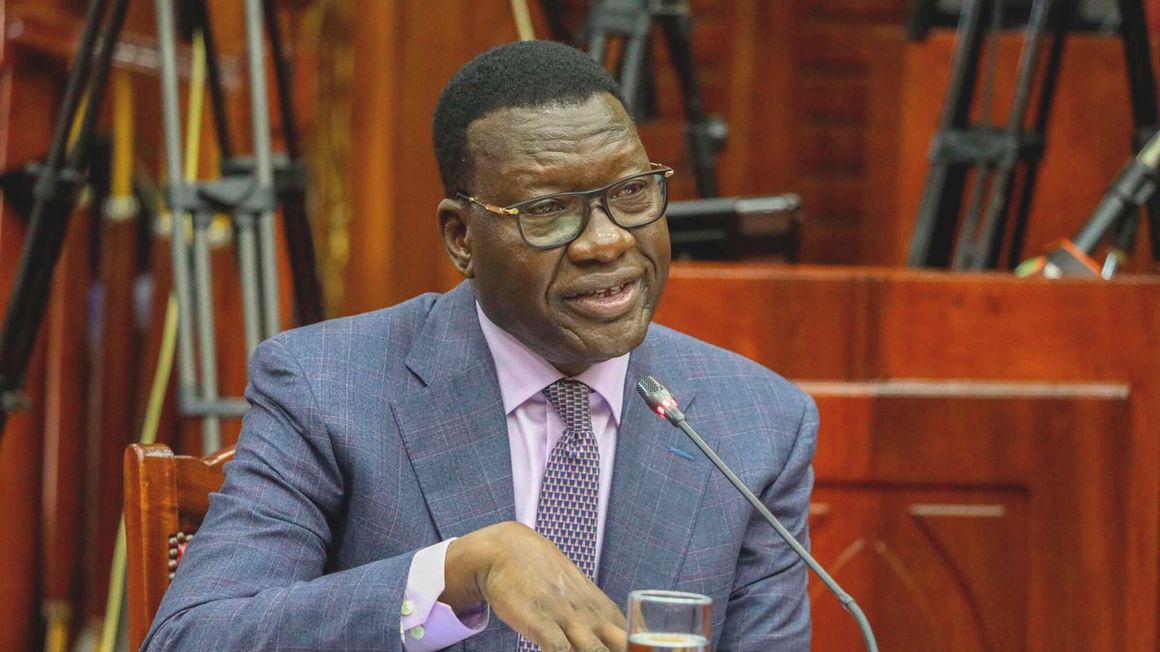
    Energy and Petroleum Cabinet Secretary Davies Chirchir upon the deal's announcement.
    Share
    Facebook Twitter LinkedIn Pinterest Email

    Gulf oil deal – Kenya outlines hedging strategies and collaborative partnerships to mitigate currency risk as the shilling slides against the US dollar.

    As the Kenyan economy grapples with a slide in the shilling against the US dollar, the government devises robust strategies to protect its Gulf oil deal from potential currency fluctuations. Kenya signed deals with UAE’s ADNOC and Saudi Aramco for the supply of petroleum products with a six months credit period earlier in the year. Employing a proactive business approach, Kenya seeks to minimize risks and secure its vital energy supply through enhanced hedging mechanisms and strategic partnerships with key organizations in the sector.

    Kenya, a key player in the East African region, is strategically planning to protect its critical Gulf oil deal from potential risks posed by the recent slide in the shilling’s value against the US dollar. By adopting prudent business measures, the government aims to shield the oil sector from adverse currency fluctuations, which could have far-reaching implications on the country’s energy security and economic stability.

    Strengthening hedging strategies for currency risk management

    The Kenyan government recognizes the significance of the Gulf oil deal in meeting the country’s energy demands. With the value of the shilling experiencing fluctuations against major global currencies, the need for a comprehensive hedging strategy becomes evident. By leveraging financial instruments, such as currency derivatives, Kenya can safeguard the deal’s stability and minimize the impact of unfavorable currency movements.

    Implementing robust hedging mechanisms will enable the country to lock in favorable exchange rates for future oil transactions, providing much-needed certainty and predictability for both the government and oil companies involved in the venture. This strategic approach not only protects the national economy from potential currency volatility, but also instills confidence in international investors and energy partners, fostering a conducive business environment for continued collaboration.

    Collaborative partnerships with key organizations in the oil sector

    In the face of currency uncertainties, Kenya is proactively engaging in collaborative partnerships with key organizations in the oil sector to ensure a well-coordinated response to potential challenges. By forging alliances with renowned oil companies and reputable financial institutions, the government seeks to create a united front against currency risks and maintain the stability of its Gulf oil deal.

    Collaborative partnerships offer a platform for knowledge exchange, risk-sharing, and access to expertise in managing currency fluctuations. This approach will empower the country to draw from the collective experience of industry leaders and financial experts, enabling it to adapt swiftly to changing market dynamics.

    Moreover, these partnerships serve as a testament to Kenya’s commitment to strengthening international relations, attracting foreign investments, and fostering a stable business environment. By promoting cooperation and mutual interests, Kenya is seeking to solidify its position as a reliable and resilient player in the global energy landscape.

    Diversification of energy sources for long-term sustainability

    While safeguarding the Gulf oil deal remains a priority, Kenya recognizes the value of diversification in achieving long-term energy sustainability. Exploring renewable energy sources, such as geothermal, solar, and wind power, presents an opportunity for the country to reduce its reliance on oil imports and mitigate the impact of currency fluctuations on its energy sector.

    Investing in renewable energy not only promotes environmental conservation but also strengthens Kenya’s energy security by reducing its exposure to the volatility of global oil markets. Moreover, diversification fosters innovation, attracts green investments, and positions Kenya as a leader in sustainable energy practices.

    For more energy news, visit our dedicated archives.

    energy kenya oil
    Share. Facebook Twitter Pinterest LinkedIn Tumblr Telegram Email
    Previous ArticleAddis-Djibouti corridor infrastructure to be upgraded
    Next Article Russian grain and fertilizer exports hot topic in African summit

    Related Posts

    Business Business & Trade Infrastructure Rail

    Private Rail Investment Accelerates Across Africa’s Critical Mineral Corridors

    August 20, 2026
    Logistics Trade

    SAFLA and AMIE SA Join Forces on Meat Trade Logistics

    August 5, 2026
    Business Business & Trade Trade

    China-Africa Trade Reaches Record $197 Billion in First Half of 2026

    July 29, 2026
    Add A Comment
    Leave A Reply Cancel Reply

    LATEST STORIES

    Egypt Courts US Investment for Port and Logistics Expansion

    August 24, 2026

    Just Casino: Slik får du mest ut av bonuser og kampanjer

    January 5, 2017

    Slik bruker du BetonRed Casino bonuskode – komplett guide med utregning

    January 6, 2015

    Bigboost-guiden: Slik kommer du i gang trygt og raskt

    August 3, 2018

    Woah99 Casino Withdrawal Guide: Step-by-Step & Bonus Math

    December 20, 2018
    • Business
      • Agri-Business
      • Entrepreneurship
      • FDI
      • Legislative
      • MEA
      • Properties
      • Telecoms
    • Infrastructure
      • Airport
      • Hospitality
      • Ports
      • Power
      • Rail
      • Roads
      • Transport
    • Finance
      • Banking
      • Islamic finance
    • Commodities
      • Agri commodities
      • Metals & minerals
      • Precious metals
    • Culture & Society
      • Education
      • Energy
    GAR logo
    © GulfAfricaReview.com 2014-2022, All Rights Reserved.

    Gulf Africa Review is a trade news and future networking platform for businesses leaders and trade organisations, established to first inform and secondly assist in facilitating the ongoing business and trade relations between the Gulf Cooperation Council countries and Sub-Saharan Africa. We aim to provide an apolitical voice for this channel of economic activity in a way that benefits both geographies by improving the availability of information about market events, developments and opportunities, while publicising the successes achieved by this ever-broadening regional relationship.

      Subscribe to our newsletter

      Type above and press Enter to search. Press Esc to cancel.