

Technical plans aim to move bilateral ties towards joint manufacturing, value chains, and African industrial integration.
South Africa and Egypt Advance Automotive and Industrial Cooperation
South Africa has completed technical preparations for industrial and automotive cooperation protocols with Egypt, signaling a push to move economic ties beyond conventional trade and towards joint manufacturing, supply chain integration, and investment-led industrial partnerships.
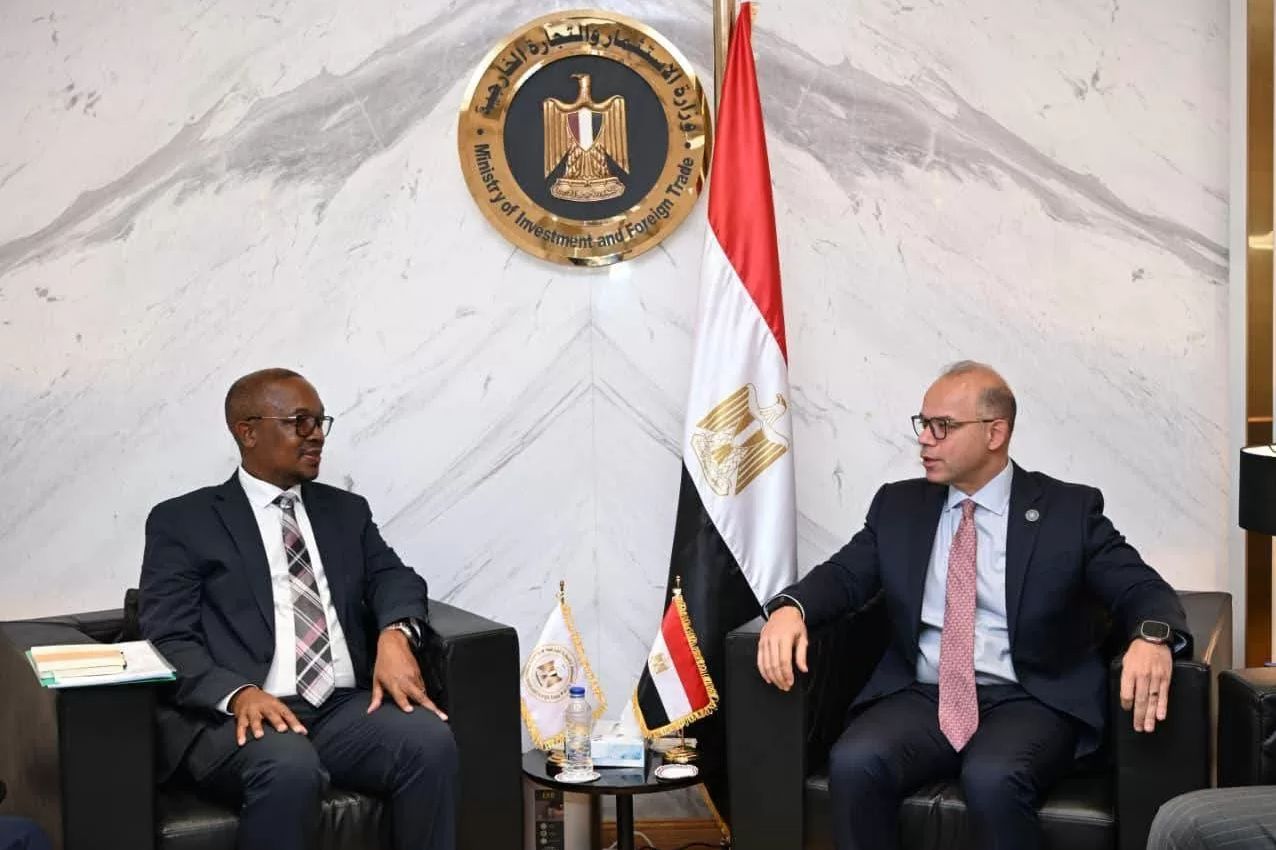
The discussions took place in Cairo between South African Minister of Trade, Industry and Competition Parks Tau, Egyptian Minister of Investment and Foreign Trade Mohamed Farid Saleh, and Egypt’s Minister of Industry.
From Trade to Manufacturing
The talks focused on shifting bilateral relations from traditional trade towards joint manufacturing, value chain integration, and a proposed automotive investment partnership between Egypt and the Southern African Customs Union.
“The focus in the current stage must be on transforming dialogue into practical, implementable projects, especially in the fields of industry, trade, and supply chains,” Tau said, stating that South Africa is prepared to finalize the necessary procedural steps and sign the proposed protocols.
For both sides, the emerging cooperation model is not limited to increasing trade flows. It is being positioned as a platform for deeper African industrial coordination, with manufacturing and supply chains placed at the center of the relationship.
Automotive Cooperation with SACU
The proposed automotive investment cooperation between Egypt and the Southern African Customs Union (SACU) formed a central part of the discussions. The Egyptian delegation affirmed its commitment to advancing the project, while the South African side confirmed its technical readiness to proceed with the protocols.
The talks also covered the activation of cumulative rules of origin across Africa. Under this mechanism, production stages can be completed across multiple countries, allowing finished goods to enter regional markets as products of African origin.
Both sides discussed applying this model across engineering, automotive, and manufacturing industries, with the aim of strengthening regional production and improving the competitiveness of African-made goods.
Building an Integrated Model
Saleh said economic cooperation between Cairo and Pretoria forms a primary pillar for advancing economic integration across the continent.
“The future of cooperation between the two countries must be based on genuine African-African cooperation across various sectors, including industry, mining, energy, and trade, to boost growth within the continent,” Saleh said.
He added that the goal extends beyond increasing trade volumes and instead focuses on building an integrated investment and trade model.
Certification, Logistics, and Supply Chains
The ministers also discussed accelerating product certification and registration procedures between the two countries, particularly in the pharmaceutical sector.
“Establishing a fast track for product certification, especially in the pharmaceutical sector, has become a necessity to enhance trade movement and reduce the time required to enter markets,” Saleh said.
The discussions also covered ports, special economic zones, logistics distribution centres, and supply chain efficiency. Both delegations noted that the long-term sustainability of shipping lines depends heavily on actual commercial trade volumes.
Moving to Executive Frameworks
The talks concluded with an agreement to maintain continuous coordination and convert the proposals into executive frameworks through technical and institutional channels.
The two sides also evaluated reciprocal trade exhibitions, including an Egyptian exhibition in South Africa and a South African exhibition in Egypt, as practical tools for accelerating commercial interaction.
For more information on African trade, visit our dedicated archives and follow us on LinkedIn.
2 Comments
https://shorturl.fm/RtRKV
Pingback: South Africa Automotive Sector Shows Renewed Strength